
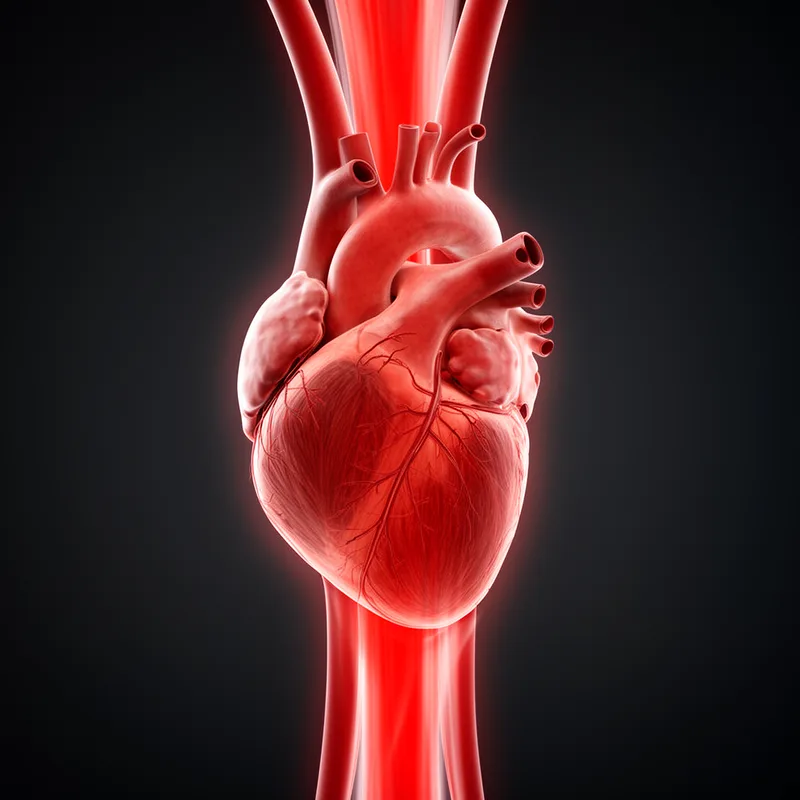
systolic
 8
6.5
8
6.5

- adjective
- /sɪˈstɑlɪk/
- Specialized
- We saw that more cigarettes per day, higher cholesterol, higher systolic blood pressure, and higher glucose levels all increased risk.
- systolic pressure
- systolic blood pressure (SBP)
- systolic BP
Loading YouTube…
Watch on YouTubeAlso, if a goal was too lofty, if it was too far from their current abilities, it didn't recruit enough systolic blood pressure.
- Also, if a goal was too lofty, if it was too far from their current abilities, it didn't recruit enough systolic blood pressure.
Examples
-
The studies all measured heart rate and systolic and diastolic blood pressure.
Academic text (1995) -
The first number called systolic, is a reflection of how fast and hard the heart pumps the blood out.
-
- Her systolic blood pressure would rise.
-
At rest, a healthy human heart has a systolic blood pressure of about 16 kilopascals.
Academic text (2005) -
We found no significant differences in systolic and diastolic pressure between the two groups.
Academic text (2012) -
When the lesion was palpated, the patient's heart rate and systolic blood pressure increased by 50%.
Academic text (2008) -
And so it's called systolic heart failure because systole is the fancy medical term for the the part of the heart cycle where it squeezes.
-
We also detected an increase, although not statistically significant, in systolic BP in steroid-treated children.
Academic text (2015) -
There is a concomitant rise in resting heart rate, peripheral vascular resistance, and systolic blood pressure.
Academic text (1997) -
A doctor monitors her systolic blood pressure during the examination to assess her heart health.
Antonyms
- Specialized
2
5.9
Relating to the part of the heartbeat when the heart relaxes and fills with blood
Compounds


How Long
- Specialized
 1
9.9
1
9.9

- Specialized
8
6.5
Surface Forms
Morphology
Etymology
Systolic comes from the Greek root systole, which means 'to draw together' or 'to contract', and you can think of the common word contract to remember this. It describes the part of the heartbeat when the heart squeezes and pushes blood into the arteries, so systolic is about that squeeze.