
sylvine
- noun
- /ˈsɪlvaɪn/
- Specialized
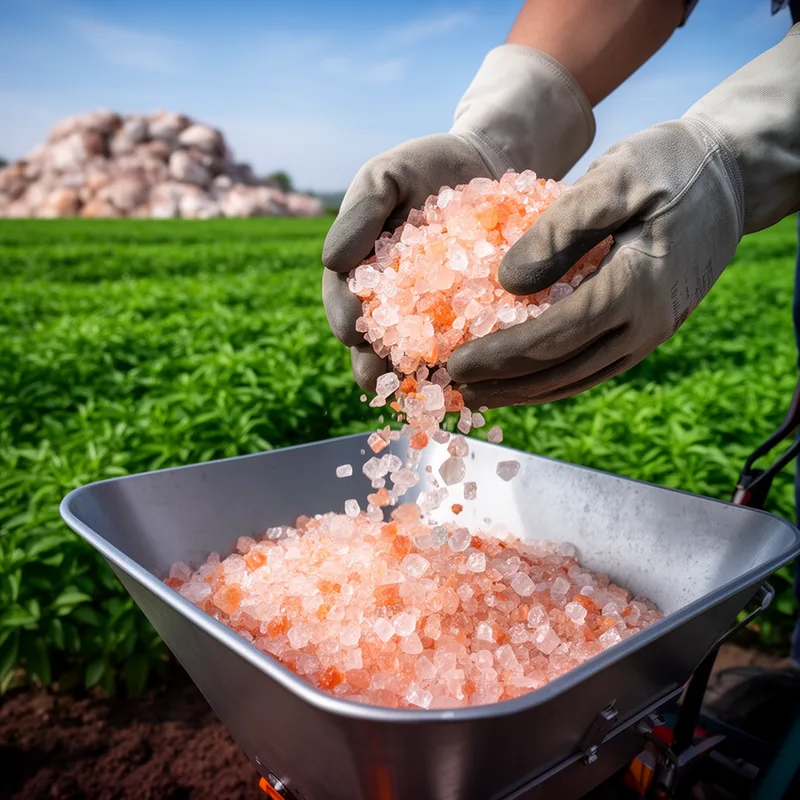
- Large deposits of sylvine are mined for use in fertilizers worldwide.
Examples
-
Many farmers use sylvine to enrich their soil.
-
The crystal structure of sylvine is similar to that of halite, or rock salt.
-
Scientists analyzed the purity of the sylvine sample extracted from the sedimentary rock.
-
The geologist found a sample of sylvine in the mine.
-
Large deposits of sylvine are mined for use in fertilizers worldwide.
-
Many farmers use sylvine to enrich their soil.
-
Scientists analyzed the purity of the sylvine sample extracted from the sedimentary rock.
Synonyms

 11
4.3

A white salt that gives potassium to the body and is used in industry


 1
9.9
A mineral salt that contains potassium and is used to make fertilizer
 1
6.3
A white salt used to give plants and people the mineral potassium

A white salt used to treat low potassium in people and help plants grow
Surface Forms
Etymology
Sylvine comes from the mineral name sylvite, a natural salt of potassium chloride and an important source of potassium. A helpful way to remember it is to think of the Latin root silva meaning 'forest' because potassium helps plants grow, so sylvine is like a 'plant salt' used in fertilizers.