

superior vena cava


 1
4.5
1
4.5
- noun
- /suːˈpɪəriər ˈviːnə ˈkeɪvə/
- Specialized
- Blood from the upper body returns to the heart via the superior vena cava.
Examples
-
The superior vena cava empties directly into the right atrium of the heart.
-
A blood clot in the superior vena cava can cause swelling in the face and arms.
-
Doctors examined the superior vena cava for any signs of blockage.
-
The superior vena cava carries blood from the head and arms.
-
The superior vena cava transports deoxygenated blood from the head, neck, and arms to the heart.
-
Obstruction of the superior vena cava can lead to swollen veins in the neck and face.
-
In a heart surgery, the surgeon often monitors the flow of blood returning through the superior vena cava.
Synonyms
 1
7.2
1
7.2
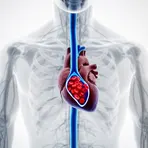
A large vein that carries blood from the upper body to the heart
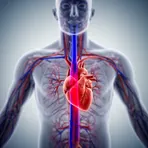
A large vein that carries blood from the head, arms, and chest to the heart
Surface Forms
Morphology
The phrase is directly compositional: 'superior' (upper) modifies 'vena cava' (major vein conveying blood to the heart), so a learner who knows those constituent meanings can infer it refers to the upper major vein returning blood from the upper body. Although the term is technical and Latin-derived, it follows a straightforward modifier+head pattern common across languages, making the overall meaning derivable from the parts.
Etymology
The noun superior vena cava names a very large vein above the heart: superior means 'upper' and vena cava means 'large vein'. So the name reminds us that it is the big vein that carries blood from the head and arms into the right side of the heart.