
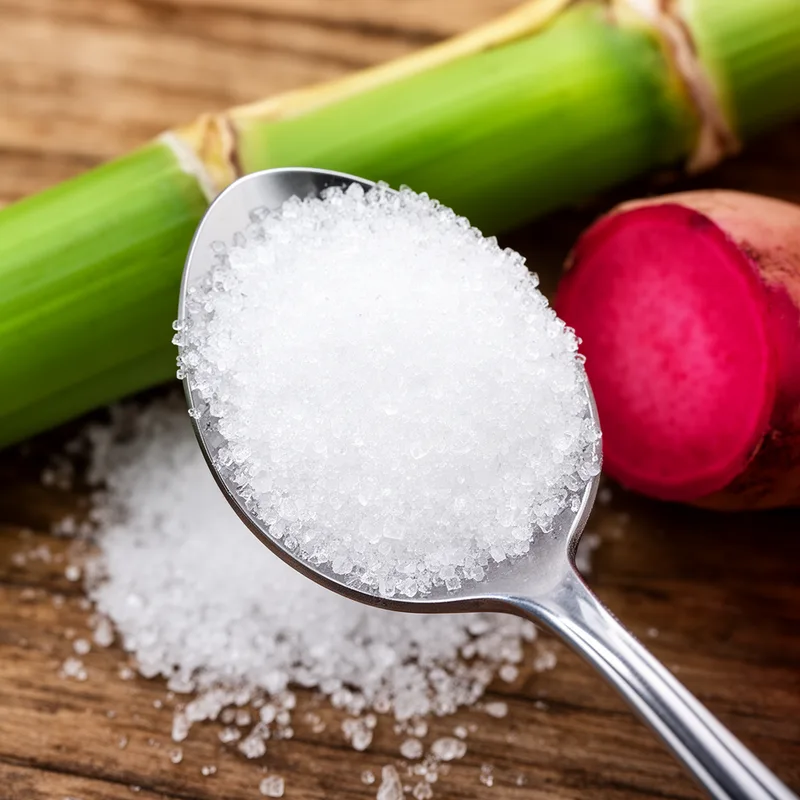
sucrose
 12
3.2
12
3.2

- noun
- /ˈsuːkroʊs/
- Specialized
- So whether you feed them sucrose or glucose or lactose, you change their chemistry.
- sucrose solution
- sucrose content
Loading YouTube…
Watch on YouTubeSo I brought up this honey versus sucrose study.
- So I brought up this honey versus sucrose study.
- Now the first myth is that fruits contain only fructose, they don't contain sucrose or glucose.
- The control group was getting sucrose, which the is an appropriate way to compare the sweet taste because maltodextrin is not as sweet as sucrose.
- It's measuring the, the amount of condensed sucrose and sucrose is sugar.
- And half of what's in sugar is fructose and half is another kind of sugar, sucrose, actually glucose.
- But I mean, kind of the anecdote is nobody's like, just grabbing the bag of sucrose and just, you know, eating that.
- So for me, those intolerances are sucrose, maltose, beanos, lactose.
Examples
-
By weight, fructose is two times sweeter than sucrose and nearly three times sweeter than glucose.
Academic text (2003) -
Whether the sweet happens to come from HFSC or sucrose is a minor issue.
Blog text (5) -
An immediate source of glucose or sucrose must always be available.
Academic text (2012) -
Now the kidney has to be sure that if in fact some sucrose got through or glucose got through, it wants to save those.
-
Starting on day 5 of training, the animals received 2% ethanol and 10% sucrose.
Academic text (2016) -
And we have to remember that half of table sugar sucrose is fructose and the other half is glucose.
-
Natural maple syrup is 60% sugar, with that sugar being 95% sucrose, 4% glucose, and 1% fructose.
Blog text (5) -
Glucose, fructose, sucrose, maltose, lactose, dextrose, and starch are all forms of sugar.
-
PHOTO (COLOR): Technician Teresa Koppin checks sucrose content of a freshly harvested beet using a near-infrared instrument.
Academic text (2004) -
Sucrose is a commonly used sweetening agent in many recipes.
Synonyms
A common plant sugar used to make food sweet
How Sweet

Surface Forms
Morphology
sucrose = sucro + ose
The suffix '-ose' indicates a sugar (chemical naming), but the root form 'sucro-' is not a productive or obvious English base for most learners, so some specialized knowledge is required to connect it to 'sugar'.
Etymology
Sucrose comes from the root sucr-, which means 'sugar', and the ending -ose, which is used for sugars in chemistry. So sucrose literally means a 'sugar', which is why it names the common plant sugar made of glucose and fructose.