

static
 63
6.4
63
6.4

- adjective
- /ˈstætɪk/
- Specialized
- Biomass objective functions are based on experimental measurements and usually presume a static environment.
Loading YouTube…
Watch on YouTubeWell, let me announce our new Gamers Nexus Anti static Hairspray.
- Well, let me announce our new Gamers Nexus Anti static Hairspray.
- Oh what the heck, either something just ripped out of hair out my arm or my keys just gave me a static shock.
- Yeah, just from the natural generation of the the static electricity that's built up from the desert and through the pyramid.
Examples
-
As she walked across the carpet, her hair stood up due to the static electricity in the air.
-
He used an anti-static spray to reduce the build-up of static electricity on his clothes.
-
And that leader stroke, the moment it comes out, you actually will feel the static electricity.
-
The tape started with the usual static and thumps of setting up.
Fiction book (1995) -
The static electricity is ruining my moustache.
-
The best of three trials for each hand was recorded as maximal static handgrip strength.
Academic text (1992) -
When the weather is dry, you can often feel a static charge when touching a metal doorknob.
Synonyms
 10
6.5
10
6.5
Connected with static electricity or electric charges that do not move
Compounds

- Specialized
11
4.1
An electric charge that builds on a surface when things rub together, causing small shocks or making hair stand
- Specialized
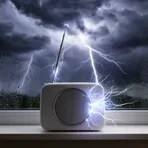
A crackling or hissing noise on a radio caused by electrical activity in the air

- Specialized
A small tube on a plane that measures air pressure to show the speed of the plane

- Specialized
A cord attached to a plane and parachute pack that opens the parachute automatically when a jumper leaves the plane


How Severe

Surface Forms
Morphology
static = stat + ic
Formed from the combining form 'stat' + suffix '-ic', but 'stat' is not a recognizable standalone English base for typical learners, so the composition does not transparently convey 'relating to static electricity'.
Etymology
Static comes from the Greek root stat- meaning 'to stand', so it originally meant something that 'stands' still; that is why static electricity is electric charge that 'stands' on an object instead of moving through a wire.