

squirearchy
- noun
- /ˈskwʌɪərki/
- Archaic
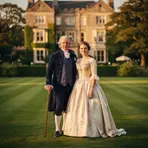
- Victorian novels often depict the squirearchy as guardians of tradition and local power.
Examples
-
The influence of the squirearchy was evident in rural political decisions of the 18th century.
-
He criticized the squirearchy for resisting social reforms that would benefit the poor.
-
The local squirearchy holds significant influence in rural politics.
-
Many members of the squirearchy own large estates.
-
The squirearchy held great influence over local politics and land management.
-
Many members of the squirearchy enjoyed a life of leisure, attending social events and managing their estates.
-
The squirearchy often gathered at the manor for meetings to discuss community affairs.
Synonyms
 14
8.4
14
8.4

People of high social rank, often landowners below the nobles
 2
9.3
2
9.3
People who own land and live on rent from it
Surface Forms
Morphology
Etymology
Squirearchy joins squire, a country gentleman or landowner, and the ending -archy, which means 'rule' and appears in monarchy. So, squirearchy names the class of country gentlemen who together 'rule' or control rural life.