

to squall
- verb
- /skwɔl/
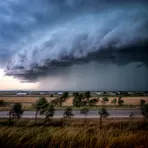
- The wind began to squall unexpectedly, shaking the trees and sending leaves swirling into the air.
Examples
-
He turned back only when the wind rose from the black distance and drove into him, squalling with snow and bitterness.
Fiction book (1996) -
Seasonal rainstorms still squall into Georgia from the ocean and erode the edges of the canyon, cutting new gullies and raking noticeable tracks along the soft slopes.
Fiction book (1998) -
As the storm approached, the wind started to squall, howling loudly and rattling the windows.
-
While sailing, we had to brace ourselves as the wind would squall suddenly, making the boat lean to one side.
Synonyms

 14
3.2
14
3.2

To blow in sudden strong bursts of wind
Compounds
- Specialized
1
7.9
A narrow line of strong storms that brings heavy rain and strong winds

How Strong

Surface Forms
Etymology
The verb squall (for wind) also comes from that idea of a sudden sharp noise, so to squall means the wind 'blows suddenly' and strongly, like a quick, loud shout of weather.