
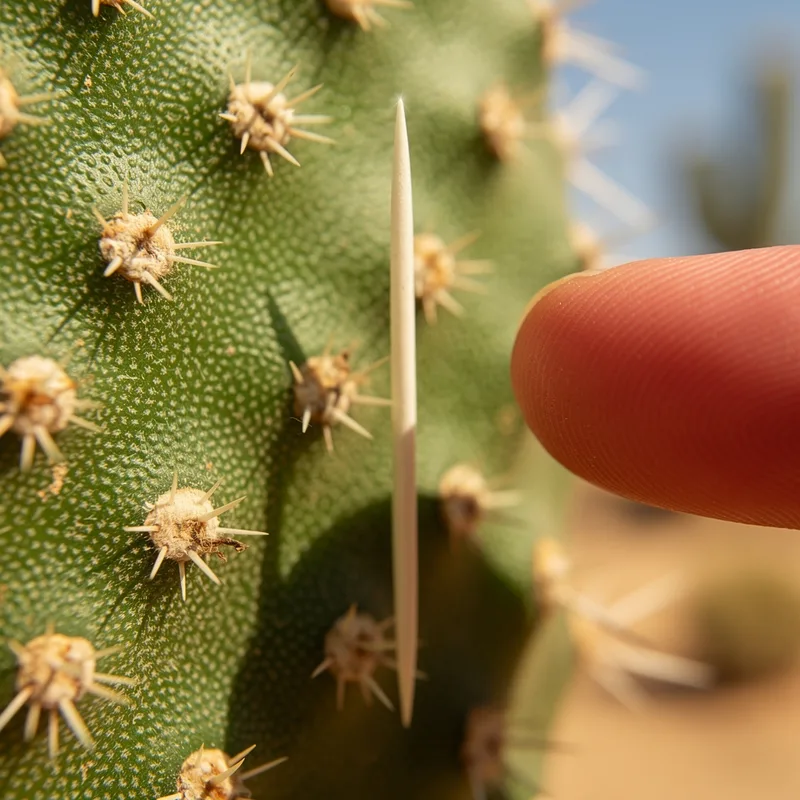
spina
 4
9.6
4
9.6

- noun
- /ˈspaɪnə/
- Specialized
- Now, people with the mildest form of this type of spina bifida often don't even know they have it.
- spina bifida
- youths with spina
- young people with spina
Loading YouTube…
Watch on YouTubeAnd initially they were saying we think your child has got spina bifta.
- And initially they were saying we think your child has got spina bifta.
Examples
-
I have spina bifida with constant back pain due to a tethered spinal cord.
Blog text (28) -
Another mother of an 8-year-old daughter with spina bifida and multiple medical disabilities noted,
Academic text (2000) -
It's called spina bifida occulta.
-
Personal hygiene support is another unique need of youths living with spina bifida.
Academic text (2009) -
A total of 50 people took part in this current study: 21 young people with spina bifida from nine to 15 years of age and 29 parents, mostly mothers.
Academic text (2009) -
One sibling who was a twin raised the following questions: "How will spina bifida affect her adult years?"
Academic text (2008) -
John Mellencamp has spina bifida, a disorder of the spinal column.
Blog text (26) -
I was born with a birth defect called spina bifida that affects one in 1,000 births in the U.S.
Academic text (2009) -
He’s got spina bifida.
-
Many children with spina bifida require surgery to correct their spinal issues.
Synonyms
 40
4.1
40
4.1
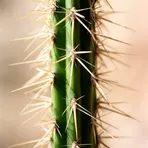
A sharp, stiff part on a plant or animal that can prick
 1
8.4
1
8.4
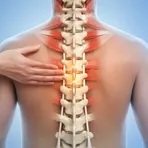
A bony part on the back of each spine bone where muscles and ligaments attach
Compounds
- Specialized
7
7.2
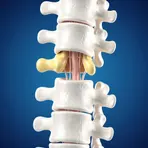
A birth problem where the spine does not close and the spinal cord may stick out
- Specialized
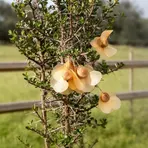
A thorny shrub from Europe and Asia with dry woody fruits that have flat wings
How Pointed

Surface Forms
Etymology
Spina comes from Latin 'spina', meaning 'thorn' or 'spine'. Think of the English words spine and spinal — a spina is a sharp or bony point, which is why the word now means a thorn-like or bony projection.