
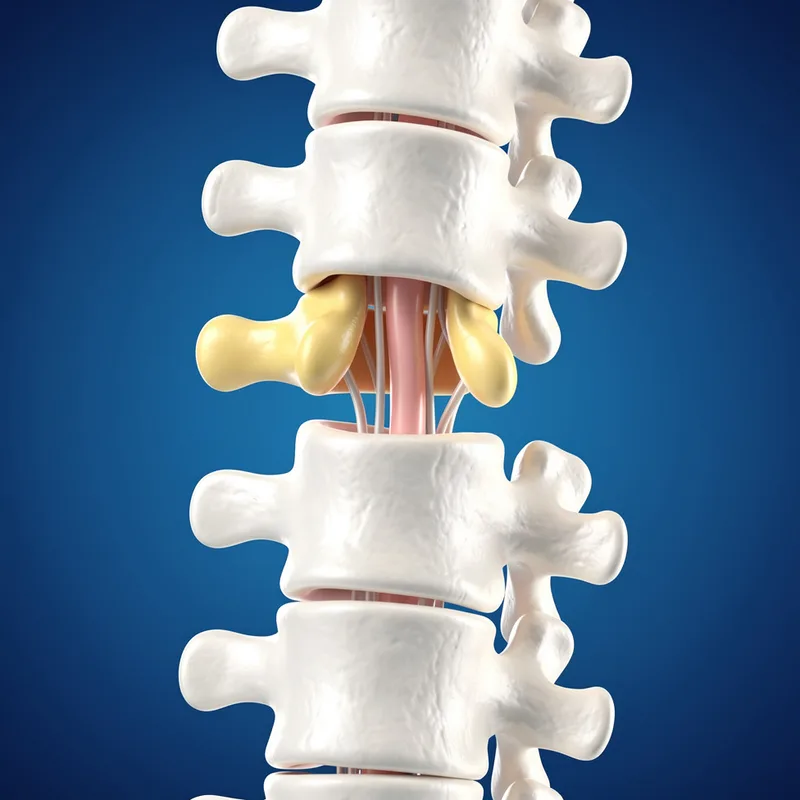
spina bifida
 7
7.2
7
7.2

- noun
- /ˈspaɪnə ˈbɪfɪdə/
- Specialized
- Personal hygiene support is another unique need of youths living with spina bifida.
- youths with spina bifida
- young people with spina bifida
- people with spina bifida
Examples
-
I was born with a birth defect called spina bifida that affects one in 1,000 births in the U.S.
Academic text (2009) -
John Mellencamp has spina bifida, a disorder of the spinal column.
Blog text (26) -
The little guy with spina bifida needs exercises three times a day on his feet.
Blog text (7) -
One of my sons who has spina bifida just celebrated the same milestone 7 months ago.
Blog text (31) -
In 2009, we reported on work with a seven-month-old child, Andrew, who was born with spina bifida.
Academic text (2011) -
Another mother of an 8-year-old daughter with spina bifida and multiple medical disabilities noted,
Academic text (2000) -
Cali was born with spina bifida and depends on a wheelchair to help her get around.
Blog text (19) -
Spina bifida is a neural tube defect involving an incomplete closure of the spine.
Academic text (2011) -
Other celebrities with spina bifida include Grammy-winning folk/country singer Lucinda Williams and pro golfer Sebi Garcia.
Blog text (26) -
"Jennifer is a kind friend to Laura, who was born with spina bifida, as they play together after school."
Synonyms
A birth defect where part of the spinal cord and its covering comes out through an opening in the back
A birth defect where part of the backbone does not form and the nerves in the back may be exposed
Surface Forms
Morphology
spina + bifida
Both constituents 'spina' and 'bifida' are Latin medical roots rather than common English words, so a typical B1 learner who 'knows the constituent words' (in English) would not recognize them or derive the technical meaning. Even though the roots correspond roughly to 'spine' and 'split/cleft' and many languages use a similar medical term, the full clinical sense (a congenital spinal column defect with protrusion) is specialised and not transparently inferable by average learners.
Etymology
The medical name spina bifida comes from Latin words: spina meaning 'spine' and bifida meaning 'split'. It describes a birth defect where the backbone does not close all the way, so the name creates the image of a 'split spine' and explains the condition's meaning today.