
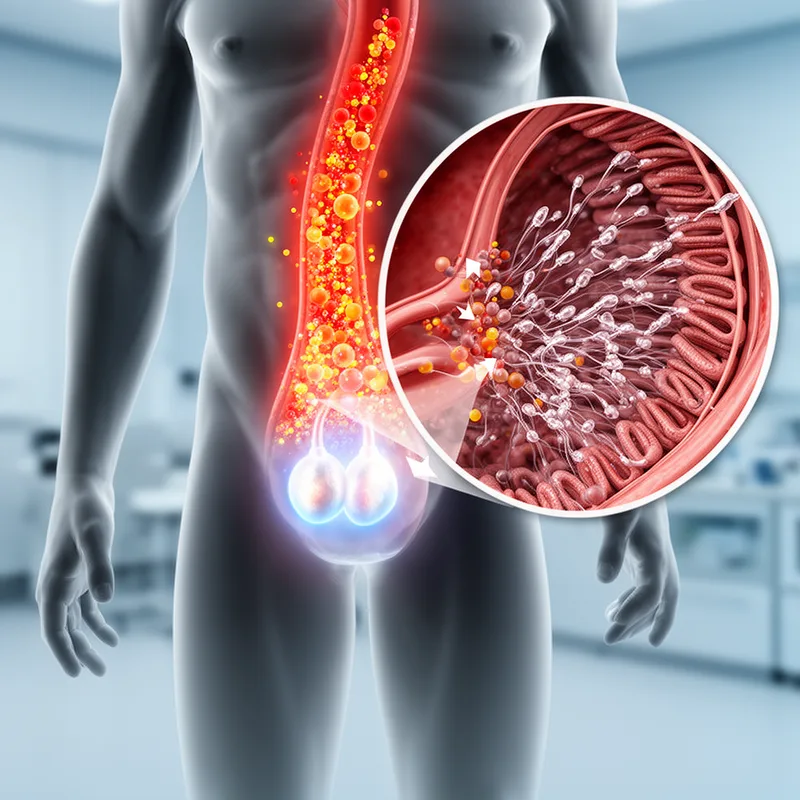
spermatogenic
- adjective
- /ˌspɜrˌmætəˈdʒɛnɪk/
- Specialized
 :
espermato génico
:
espermato génico
- The spermatogenic cells were crucial for the male reproductive system's ability to produce sperm.
- spermatogenic cells
Examples
-
These results were consistent with our histological observation that spermatogonia had excessive proliferation and that spermatogenic cell differentiation was severely impaired.
Academic text (2017) -
By contrast, examination of testis biopsy samples from the patients with the 643delA mutation showed a profoundly abnormal spermatogenic process due to complete early meiotic arrest.
Academic text (2003) -
The most mature spermatogenic cell type present is the early spermatocyte, indicating an early meiotic arrest of spermatogenesis.
Academic text (2003) -
Research showed that spermatogenic factors play a significant role in sperm development.
-
The study focused on the spermatogenic process occurring in the testes.
Synonyms


 1
9.9
1
9.9
Tissue that produces sperm in the testicles
Surface Forms
Morphology
spermatogenic = spermato + genic
This is a specialized scientific formation with the combining form spermato- and the suffix -genic, so an average B1 learner would not readily recover the meaning from the parts.
Etymology
Spermatogenic comes from Greek parts spermato- meaning 'seed' or 'sperm' and -genic meaning 'making' or 'producing', like in the word 'generate'. So, something spermatogenic helps to 'make' or increase sperm cells.