

to spat
 1
6.2
1
6.2

- verb
- /spæt/
- spat on the ground
Examples
-
Laughing, they spat red petals.
Fiction book (1994) -
The coffee pot had stopped its labored lugging and finally spat out my coffee.
Blog text (7) -
His rifle spat flame.
Fiction book (1992) -
Then greenish-dark, then ominous low clouds spat and sprinkled rain.
Fiction book (1991) -
The children laughed as they stood outside while rain spat on the pavement.
-
She could hear the bullets spat against the metal wall during the intense shooting.
-
As the storm grew stronger, the hail spat down on the roof, making a loud noise.
Synonyms
 ∞
1.2
∞
1.2
To hit something or someone again and again, making a rhythm
 151
2.2
151
2.2
To shake something so it makes short, sharp noises
 29
3.9
29
3.9
To make a loud rattling sound by hitting hard things together
 8
3.7
8
3.7
To hit something quickly to make a short sharp sound
 4
4.4
4
4.4
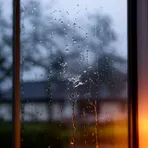
To make quick, light sounds like rain or small feet
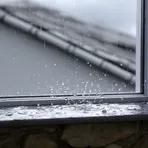
To make a series of light, quick tapping sounds like rain or small footsteps
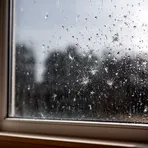
To splash small drops against a surface and make spots
How Loud
1
6.2
 9
4.0
9
4.0
Surface Forms
Etymology
Spat (to hit with a sharp, repeated sound) likely comes from the short, sharp sound 'spat', a natural sound word, or from spatter meaning 'to hit lightly'. That's why rain or pebbles 'spat' on the roof, making quick, sharp noises.