

sparseness
 1
6.8
1
6.8

- noun
- /ˈspɑr.sən.nəs/
- The overall sparseness of population in the Northern kingdoms is related to the general backwardness not only of agriculture but of other aspects of the economy.
Examples
-
They searched the house, which took about five minutes because of the sparseness of the furnishings.
Fiction book (1999) -
Still not enough furniture, but the sparseness reads as elegance.
Fiction book (1997) -
How does the relative sparseness of detail affect the story?
Fiction book (1999) -
The simplicity and sparseness provide a feeling of harmony, peace, and contentment.
Academic text (1996) -
Meredith loved the vastness of it, the lack of crowding, and the sparseness.
Fiction book (1991) -
The sparseness of vegetation in the desert creates a striking landscape.
-
The artist appreciated the sparseness of the room, allowing the few pieces of furniture to stand out.
-
Due to the sparseness of the crowd, he was able to see the stage clearly from his seat.
Synonyms
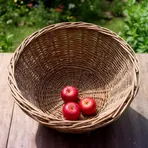 7
8.6
7
8.6
A small amount of something that is not enough
 1
3.7
1
3.7
A small amount of material in a space like foam or gas


 1
7.6
1
7.6
A small number or amount spread far apart
 1
8.1
1
8.1
A bare, simple style with very few details
 1
4.3
1
4.3
Not being full or dense, like a small crowd and a small number of hairs
 1
7.0
1
7.0
A very small amount of something that is not enough
 1
7.2
1
7.2
A small amount of something that people need
 1
4.4
1
4.4
A small amount of something that is not enough
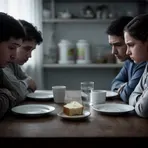
A small amount of something that is not enough
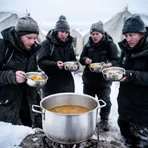
A small amount of something that is not enough

A small number of people or things

A thin or not thick state often about air
Antonyms


How Sparse

Surface Forms
Morphology
Etymology
Sparseness comes from the adjective sparse, which originally meant 'scattered' or 'thin', giving the image of things spread out with large empty spaces. So sparseness means having few parts close together or not enough of something.