

scantness
- noun
- /ˈskæntnəs/
- The scantness of food during the winter made life extremely difficult for the villagers.
Examples
-
The scantness of funding for the program resulted in fewer opportunities for students to participate.
-
Her essay was criticized for the scantness of supporting evidence.
-
Due to the scantness of resources, the project was postponed until next year.
-
The scantness of resources led to a decline in productivity.
-
Her report highlighted the scantness of evidence in the case.
-
The scantness of water in the drought-stricken area raised concerns about the agricultural yield.
-
During the winter months, the scantness of fresh produce made it challenging for families to maintain a balanced diet.
Synonyms

 1
6.8
1
6.8

A small number or amount that is spread out


 1
7.0
1
7.0
A very small amount of something that is not enough
 1
8.1
1
8.1
A bare, simple style with very few details
 1
4.3
1
4.3
Not being full or dense, like a small crowd and a small number of hairs
 1
4.4
1
4.4
A small amount of something that is not enough
 1
5.3
1
5.3
A state of having low quality or too little of something
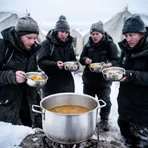
A small amount of something that is not enough

A very small amount of something that is not enough

A very small amount that is not enough
Antonyms


How Scarce

Surface Forms
Morphology
Etymology
Scantness comes from the simple word scant, which originally meant 'short' or 'not enough'. The ending -ness turns this into a 'state', so scantness is the 'state of having too little' or 'meagerness', which is why we use it for an insufficient amount of something.