
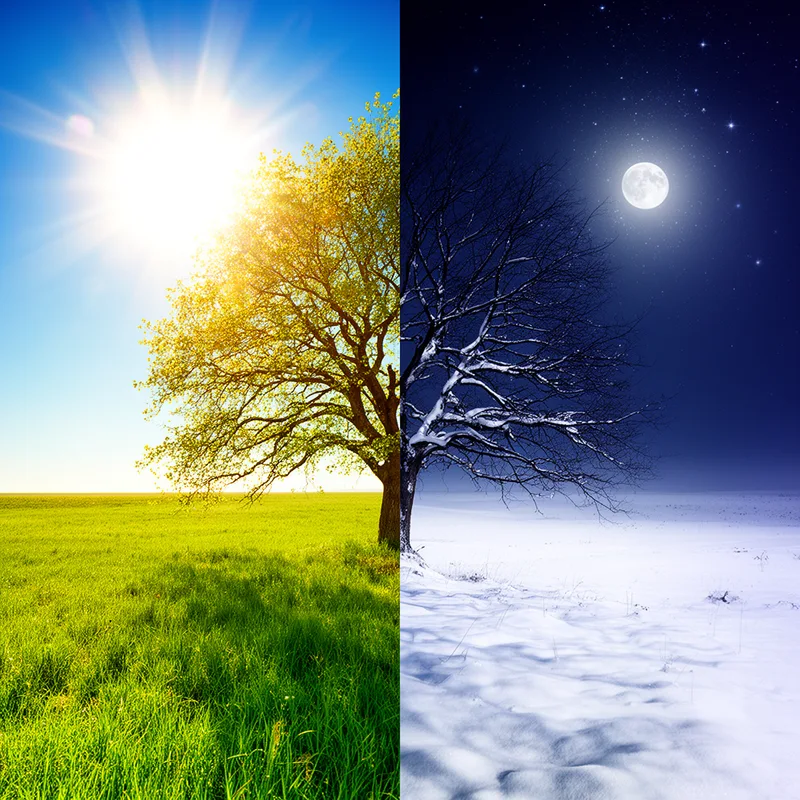
solstice
 40
5.8
40
5.8

- noun
- /ˈsɒlstɪs/
- To complicate matters even further, this year the actual solstice occurred on June 22, not the usual June 21.
- summer solstice
- winter solstice
- solstices and equinoxes
Loading YouTube…
Watch on YouTubeWe just had the day, the solstice, which was a very, very foggy, cold day.
- We just had the day, the solstice, which was a very, very foggy, cold day.
- So again, it's all the same people, I think you know, the same knowledge and understanding of, of the sun and the angles and, and the solstices and star alignments.
- We're suggesting that it the Serpent Mound's alignment to the summer solstice sunset is just slightly off.
- He was the first Christian to declare that Christ was born at the end of the winter solstice.
- So basically the winter solstice, they would bring in the trees and they into their homes, and then they would put red balls on them.
- Let Briacsis enjoy the solstice and the scene.
- It's getting long that summer solstice, baby.
- Also, we are dressed for completely different solstices.
- It's when all of creation comes to a death and then starts to be reborn after the solstice.
- So all I was saying was that the the solstice, once you realize, OK, it's still not good enough just to stop because our props depend on you.
- Don't think too big, OK, something closer to home that I'm going to be doing for like the winter solstice Christmas time, OK.
- Because remember, last summer solstice is when they had their first real kiss and it was like a happy, happy moment, right?
- And, and again, this ties into the satanic thing because Tiny said New Year's Eve is a very big satanic holiday, as is Halloween, the winter solstice.
Examples
-
After the summer solstice, the hours of days, the hours of sunlight in a day become less and less.
-
We'll take them to the solstice celebration with us.
-
So basically the winter solstice, they would bring in the trees and they into their homes, and then they would put red balls on them.
-
Yeah, we make those clothes special for every winter and summer solstice.
-
The summer solstice is on June 21st.
-
In the endless light of the solstice, summer had reached its peak.
Fiction book (1990) -
We're coming up on summer solstice, and that's that long day, baby.
-
Catriona and I will be married on the solstice.
-
Some archaeologists believe the winter solstice was more significant to the megaliths' builders.
Academic text (2008) -
The summer solstice marks the longest day of the year, occurring around June 21st.
Synonyms
 8
4.8
8
4.8
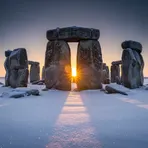
The day in December with the shortest daylight and longest night in the northern hemisphere
 5
4.2
5
4.2
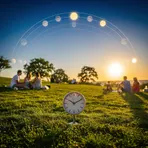
A day with the most daylight in the year, usually around June 21 in the north
Compounds
8
4.8
The day in December with the shortest daylight and longest night in the northern hemisphere
Surface Forms
Etymology
Solstice comes from Latin parts sol 'sun' and sistere 'to stand still', and is like solar which also relates to the sun. At the solstice the sun appears to 'stand still' in the sky before it changes direction, which is why the word names the longest day or longest night.