
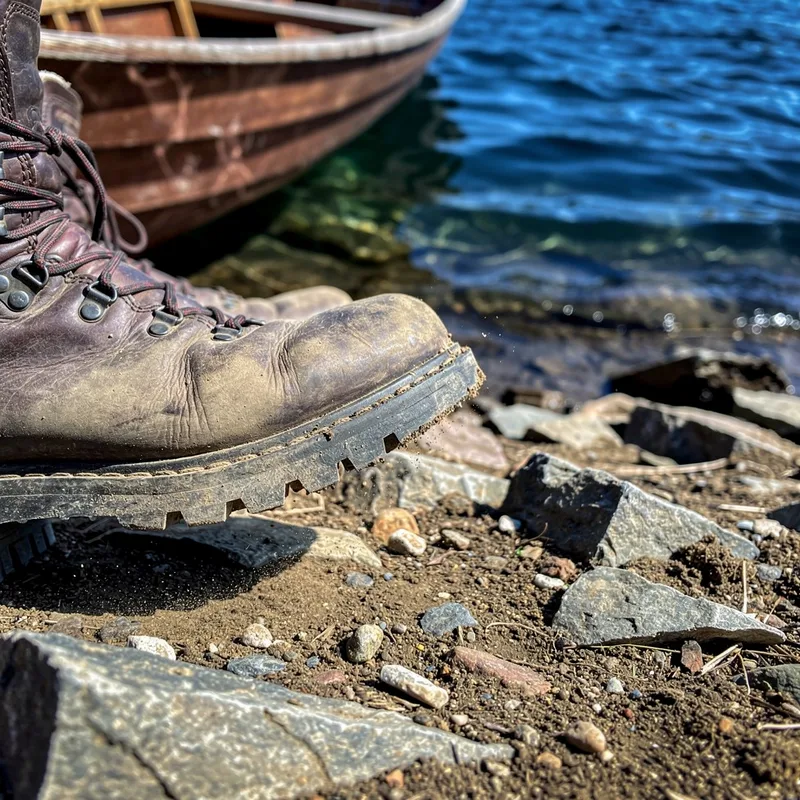
solid ground
 13
1.8
13
1.8

- noun
- /ˈsɑːlɪd ɡraʊnd/
- We had to find solid ground to stand on before we could reprise last night.
- stand on solid ground
Loading YouTube…
Watch on YouTubeThey want to be on dry rock, solid ground looking up to a parent if you're I'll won't seek help.
- They want to be on dry rock, solid ground looking up to a parent if you're I'll won't seek help.
Examples
-
As soon as Buffy had the thought, she felt solid ground beneath her boots.
Fiction book (1999) -
Down on solid ground and it feels great.
-
So at this point I had some solid ground to work from.
-
We're on solid ground here.
-
I had to find a bit of solid ground, a foundation.
Academic text (2014) -
Oh, it was grand to stand on solid ground again.
Fiction book (2001) -
Then, I want to build upon that solid ground to do all I can with my life.
Blog text (28) -
About a minute later, my feet were once again on solid ground a mile away.
Blog text (32) -
I just love that the solid ground, the anchor we're searching for is connection.
-
After the storm subsided, we finally felt the solid ground beneath our feet.
Synonyms
 ∞
1.0
∞
1.0
The solid surface of the earth that people walk on and plants grow in
 ∞
1.0
∞
1.0
An area of ground used for farming, building, or as a country
 363
1.0
363
1.0
The ground or soil under your feet
 23
1.0
23
1.0
The solid ground on Earth that is not under the sea
 4
5.6
4
5.6
Solid dry land that is not the sea or air
Antonyms


How Firm

Surface Forms
Morphology
The meaning 'the firm surface of the earth' is directly and compositionally derived from 'solid' (firm, hard) + 'ground' (earth surface). This literal pairing follows common English and cross‑linguistic patterns, so a B1 learner who knows both constituents would readily understand the expression.
Etymology
Solid ground comes from the simple image of standing on firm earth rather than on water or in the air, where solid and ground mean the steady land under your feet. After a long boat ride or a shaky bridge, finding solid ground felt safe and steady, so the phrase now means a firm, reliable surface or situation.