
soil-borne
- adjective
- Specialized
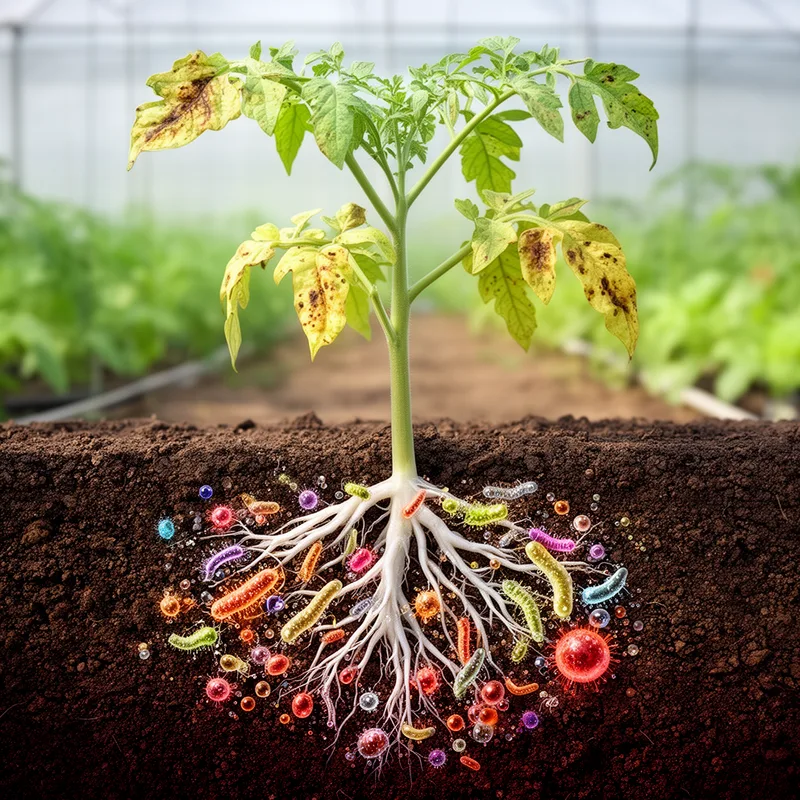
- Tom discovered that the soil-borne fungus was harming his tomato plants.
- soil-borne diseases
Loading YouTube…
Watch on YouTubeThose are bacteria and fungi that breed root rot as well as a lot of soil borne funguses and bacterias.
- Those are bacteria and fungi that breed root rot as well as a lot of soil borne funguses and bacterias.
Examples
-
To prevent soil-borne infections, it's essential to rotate crops every season.
-
And MSG is an umami-contributing flavor enhancer and does nothing to prevent illness from soil-borne anaerobes or extend shelf life.
Blog text (25) -
Things like soil borne insects and diseases.
-
And that's because the the soil borne funguses actually are, are native to your soil.
-
Bradyrhizobium, Rhizobium, and other organisms involved in the biological control of soil-borne diseases.
Blog text (12) -
Alteration of the disturbance regime to plants by soil-borne pathogens should therefore have a strong effect on ecosystem processes.
Academic text (2000) -
They include increased water-holding capacity of soil, less erosion, more nutrients available to crops, and suppression of soil-borne diseases.
Academic text (2000) -
Rhizophagous animals and soil-borne pathogens can strongly modify the disturbance regime to which the vegetation is subjected (Vitousek 1990).
Academic text (2000) -
The farmers applied treatment to their crops to protect against soil-borne diseases.
Surface Forms
Morphology
Etymology
The word soil-borne breaks into soil ('earth' or 'dirt') and borne ('carried', like the verb bear which means 'to carry'). So soil-borne means 'carried in the soil', and it describes diseases or germs that come from the dirt.

