

soft rot
- noun
- /sɔft rɑt/
- Specialized
- Bacterial soft rot can spoil potatoes quickly if they are not kept in proper conditions.
Examples
-
To prevent soft rot, keep your vegetables dry and store them in a cool place.
-
It controlled soft rot on the peppers.
Academic text (1998) -
Hardwoods were more susceptible to soft-rot fungi than coniferous species, and there was great variation in decay rate between types of hardwood and softwood.
Academic text (2000) -
Gardeners often notice soft rot after periods of heavy rainfall, especially in poorly drained areas.
Synonyms
 24
1.6
24
1.6

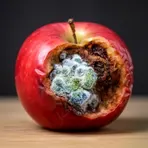
The breaking down of things like food or wood by bacteria and mold
 4
8.9
4
8.9
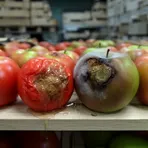
A soft watery rot that affects fruits and vegetables
 3
3.4
3
3.4
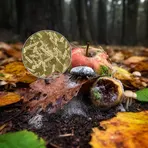
The breaking down of dead plants and animals by bacteria or fungi
How Severe

Surface Forms
Morphology
The meaning 'mushy or slimy decay' is directly and compositionally derived from 'soft' (not firm, yielding) + 'rot' (breakdown of organic material), so the overall sense is what you'd expect by combining the two words. This adjective+noun pattern is regular in English (and similar in many languages), so a B1 learner who knows both constituents should be able to infer the meaning.
Etymology
Soft rot comes from the simple picture of plant flesh turning very soft and wet as it decays. The word soft shows the texture and rot means decay, so the name refers to 'mushy or slimy decay' in plants.