
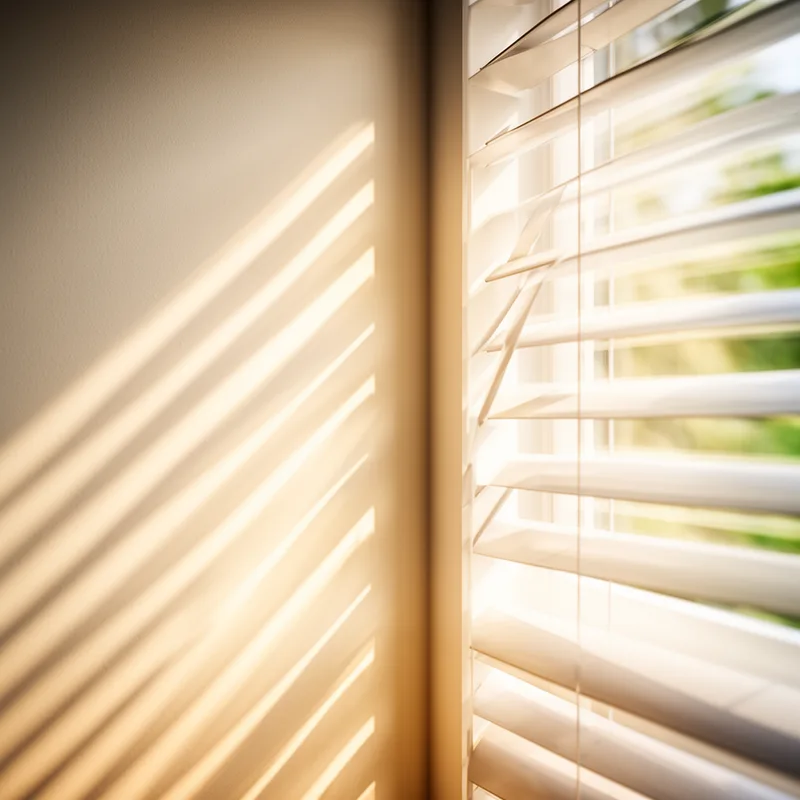
slanting
- adjective
- /ˈslæntɪŋ/
- We had to climb the slanting path to reach the top of the hill.
Loading YouTube…
Watch on YouTubeThis is at a slanting downward angle like so.
- This is at a slanting downward angle like so.
- A good bathtub has like a slanting back so you can like lean back when you're soaking in the tub.
Examples
-
A good bathtub has like a slanting back so you can like lean back when you're soaking in the tub.
-
The upper lip will get the shadow color because it is slanting down and then the bottom lip is facing the light.
-
This is at a slanting downward angle like so.
-
So here we go to the left where the roofs of Ray all be slanting down towards the Cliff edge.
-
It just shows the sensitivity of our equipment and the slanting line is very important, as it turns out, because what makes it?
-
On the path to the left were the roofs of Ray all be slanting down towards the cliff's edge.
-
Can you see this over here, my little punk rock triangle V stick person with big lips and eyes that are slanting to the high end, right.
-
The sunlight streamed through the window at a slanting angle, illuminating the room beautifully.
-
He noticed that the bookshelf was slanting to one side, and it needed to be fixed.
Synonyms
 10
3.2
10
3.2

At an angle so it runs from one side to the other
 9
3.3
9
3.3
Placed at a slant so it is not straight up or flat
 6
3.9
6
3.9
Sloping so one end is higher than the other
 5
7.5
5
7.5
Slanting, not straight up or straight across
 5
4.7
5
4.7
Not straight or level and often wrong because of a personal view
 1
4.4
1
4.4
Leaning to one side and not level

Not straight or level and leaning to one side

A surface that is not flat or level and leans to one side

A surface that is not flat and goes up or down at an angle
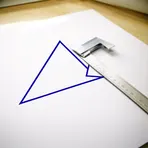
Having one or more corners that are slanted and not 90 degrees

Slanting to one side, not straight up or flat
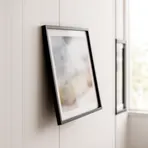
Leaning to one side and not straight, like a picture on a wall

A thing that leans to one side and does not stand straight

Leaning to one side and not straight

At an angle, not straight
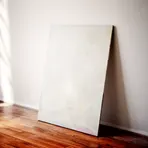
At an angle so one side is higher than the other
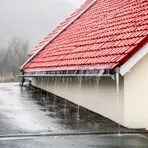
Slanted so water runs off easily

Sloping so a surface leans at an angle
Antonyms

Compounds
How Slanted

Surface Forms
Morphology
Etymology
Slanting comes from the simple word slant, which means 'to lean' or 'to slope'. So something slanting is 'tilted' at an angle instead of being straight up or flat, like a roof or the slanted lines in a picture.