

to slabber
- verb
- /ˈslæbər/
- The dog was so excited that it began to slabber all over the floor.
Examples
-
Children often slabber when they eat sticky sweets.
-
He watched the hungry puppy slabber as it waited for a treat.
-
Stop slabbering.
-
Are you slabbering, Boabby?
-
If a translator had been there, each of those character texts could have spoken the slabbering sound in Balloon and drawn Richard Henry Dana into the script of its dream.
Academic text (1994)
Synonyms
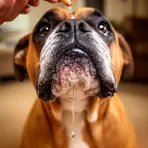
 49
2.1
49
2.1

To let saliva flow from the mouth without meaning to
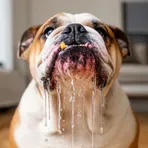 22
4.8
22
4.8
To let saliva run from the mouth in a messy way or to show strong desire
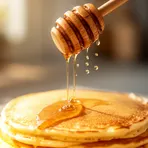 15
2.8
15
2.8
To let liquid or saliva fall in small drops


To let liquid from the mouth come out by accident
How Much Drooling

Surface Forms
Etymology
The word slabber is like the common English words slobber and slop and feels like a sound word that copies wet, dripping noise. So, to slabber is to 'let saliva run' or 'drool', which explains why we use it for someone or some animal that is drooling.