
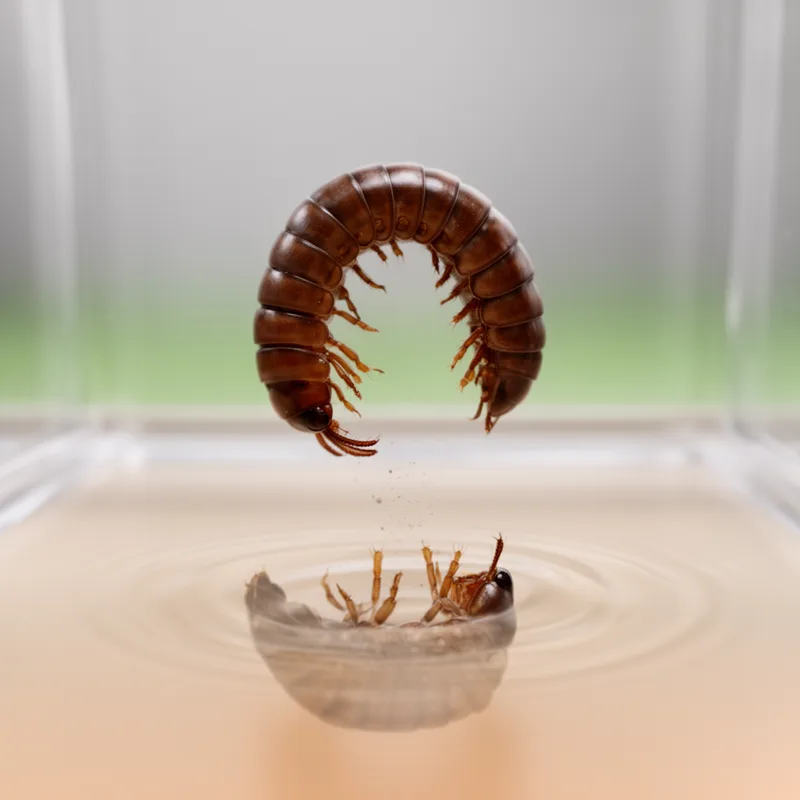
skipjack


 1
9.9
1
9.9
- noun
- /ˈskɪpˌdʒæk/
- US
- In the late 1800s, the first skipjacks (i.e., vessels with one mast and a V-bottom) were built for dredging oysters (Fig. 75).
Examples
-
On good days, the oyster fleet was comprised of about 400 tonging boats (100 of which were patent tongers), 30 scuba divers, and seven skipjacks active on good days.
Academic text (1996) -
Each team of two divers harvested as many as 15 bushels per day, and the skipjacks got about 30 bushels per day when under sail and 40 bushels when driven by engines (MacKenzie, In Press).
Academic text (1996) -
PHOTO (BLACK & WHITE): Figure 75. -- A skipjack on the dredging grounds in Maryland.
Academic text (1996) -
Each skipjack harvested 50-75 bushels of oysters per day.
Academic text (1996) -
Some skipjacks and bugeyes from Maryland were part of the oyster fleet, but they did not perform as well as the schooners (Rolfs, 1971).
Academic text (1996) -
Photos (black & white): Figure 78. -- A buyboat (left) buys oysters from a Chesapeake Bay skipjack (right), ca. 1940s-50s.
Academic text (1996) -
Crewmen on skipjacks and other oyster vessels were being paid $20-$25/month, while cooks were paid $35/month (Anonymous, 1905d).
Academic text (1996) -
The fisherman watched as the skipjack flipped out of the water, making a clicking sound as it righted itself.
-
We saw a skipjack gracefully leap into the air, showcasing its ability to flip back onto its belly.
-
At the aquarium, the skipjack stunned visitors with its impressive flips and distinctive clicking noises.
Synonyms
 1
7.6
1
7.6
A beetle that snaps its body to flip into the air and make a quick clicking sound
A small beetle that jumps into the air with a click to flip itself upright when on its back
Compounds

Surface Forms
Morphology
Etymology
Skipjack likely comes from skip 'to jump' and jack 'common name for a small animal or fish', a helpful image for an animal that rights itself by flipping into the air with a loud snap. That's why the name fits an animal known for its quick, 'skipping' flip.