

silky elm
- noun
- Australian
- You can identify a silky elm by the distinctive silky hairs on its leaves.
Examples
-
The silky elm thrives in moist, temperate forests across southeastern Australia.
-
Local craftsmen use silky elm wood for making fine furniture.
-
The silky elm is a magnificent tree.
-
Many silky elms grow in the Australian bush.
-
The silky elm is known for its beautiful, silky leaves that shimmer in the sunlight.
-
You can find a silky elm in many parks throughout southeastern Australia, where they provide shade.
-
The unique texture of silky elm bark makes it popular for crafting decorative items.
Synonyms
 16
1.6
16
1.6

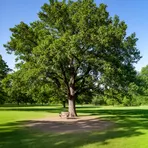
A large tree with broad leaves that gives shade
 3
2.1
3
2.1
A large tree with broad leaves and strong wood often planted in parks and streets for shade
Surface Forms
Morphology
This is a straightforward adjective + noun composition: 'silky' (soft, smooth) modifies 'elm' (a type of tree), so the meaning is an elm with silky characteristics. A B1 learner who knows both words can readily infer this descriptive sense, and the pattern is a common, cross-linguistic noun modification, making it fully compositional.
Etymology
Silky elm gets its name from the soft, silky hairs on the tree's leaves and bark, with silky showing the feel and elm naming the type of tree. That's why the name means a tree known for its soft, silky leaves and bark.