
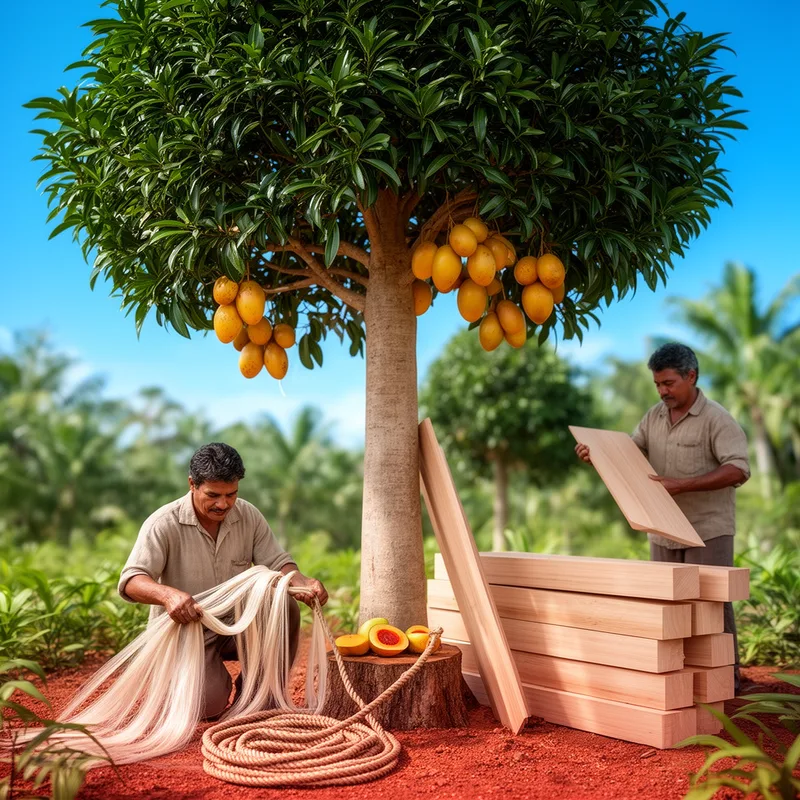
silk wood
- noun
- /sɪlk wʊd/
- US
- Craftsmen prefer silk wood for making staves due to its durability and smooth finish.
Examples
-
The fruit of the silk wood is both edible and enjoyed by locals in tropical regions.
-
The silk wood tree can grow up to 50 feet tall.
-
The farmers harvested silk wood for its valuable fiber and strong timber.
-
Do you know where I can find silk wood?
-
Craftsmen prefer silk wood for making staves due to its durability and smooth finish.
-
The farmers harvested silk wood for its valuable fiber and sturdy timber used in construction.
-
Locals in tropical regions appreciate the silk wood tree for its edible fruit and useful fiber.
Synonyms

 1
9.9
1
9.9

A fast-growing tropical tree with white flowers and edible fruit and bark that gives silky fibers for rope

A fast-growing tropical tree that has edible fruit and bark for making strong rope

A fast-growing tropical evergreen tree with small sweet red fruit that people eat

A fast-growing tropical evergreen tree that has white flowers and small sweet red fruit

A fast-growing tropical evergreen tree with white flowers, small sweet red fruit, and bark used to make strong thread
Surface Forms
Morphology
The compound 'silk wood' is compositional: it names wood (or a tree) characterized by silk-like fibres or associated with silk. A B1 learner who knows 'silk' and 'wood' can infer it denotes a type of wood/tree with silky qualities, following common noun+noun compounding patterns found across languages.
Etymology
Silk wood comes from the tree's shiny bark that makes silk-like fiber and the strong wood of its trunk. The bark gives silky 'fiber' used for cordage and the trunk gives 'timber', so the name links the soft 'silk' to the useful 'wood'.