
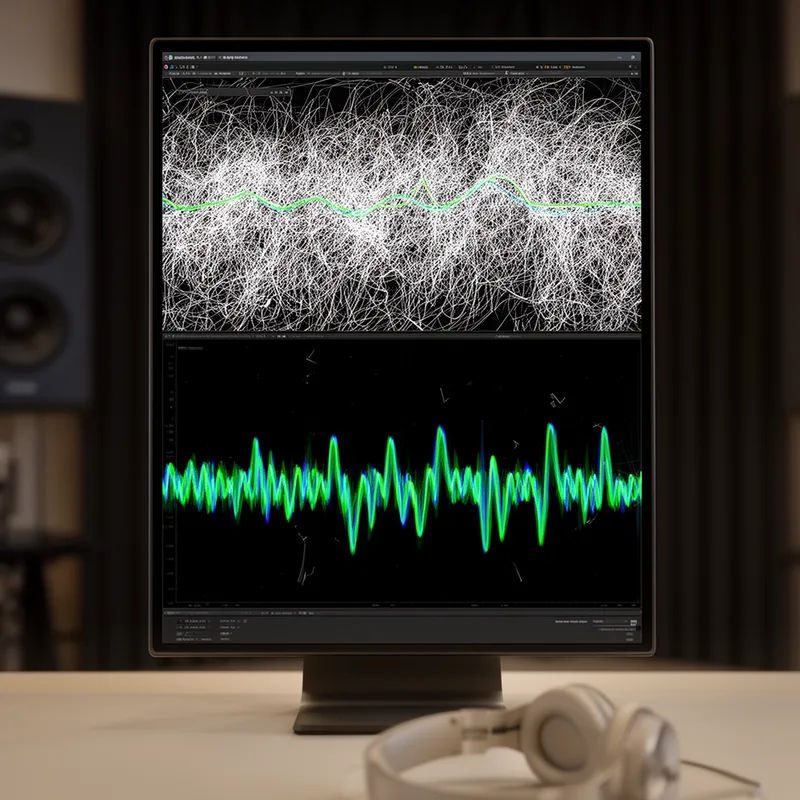
signal/noise ratio
- noun
- Specialized
- The signal/noise ratio of this audio recording is quite high, resulting in clear sound quality.
Examples
-
Engineers aim to maximize the signal/noise ratio in data transmission systems for better performance.
-
A low signal/noise ratio makes it difficult to distinguish the actual data from background interference.
-
The signal/noise ratio is crucial for clear communication.
-
A higher signal/noise ratio improves audio quality.
-
A low signal/noise ratio makes it difficult to distinguish the actual data from background interference.
-
Engineers aim to maximize the signal/noise ratio in data transmission systems for better performance.
-
The signal/noise ratio of this audio recording is quite high, resulting in clear sound quality.
Synonyms

 2
6.3
2
6.3

How strong a wanted sound or message is compared to background noise
 2
6.3
2
6.3
How strong a wanted sound is compared to background noise


 1
7.7
1
7.7
The strength of a wanted sound or signal compared to background noise
Surface Forms
Morphology
signal/noise + ratio
The phrase is literally a numeric comparison of 'signal' versus 'noise' expressed as a 'ratio', so a learner who knows 'signal', 'noise', and 'ratio' can infer it denotes the strength of the desired signal relative to background noise. Although the term is technical (often expressed in decibels), its meaning is compositionally transparent and parallels constructions in other languages, so it should be understandable to a B1 learner familiar with the constituent words.
Etymology
Signal/noise ratio comes from radio and audio work, where people compare the strength of a clear signal with the level of unwanted noise. If the signal is much stronger than the noise, the message is easy to hear, so the term now means the amount of 'useful information' compared to 'background noise'.