

sibilant
- noun
- /ˈsɪbələnt/
- Specialized
- In poetry, the use of sibilants can enhance the rhythmic quality of the verses.
Examples
-
Heiman had a tinge of the Polish accent in his sibilants.
Fiction book (1998) -
Not a syllable was out of place, not a sibilant was anything other than perfectly clear.
Fiction book (1992) -
So here's Rami Malek's hyper sibilant S punch a hole in the sky sky.
-
It was his genius to make Pier della Vigna, now in hell... speak in strained hisses and coughing sibilants... as though he is hanging still.
-
The word 'snake' contains a sibilant sound at the beginning, creating a hissing effect.
-
Teachers often highlight sibilants in language lessons to help students master their pronunciation.
Synonyms

 44
2.6
44
2.6

A long sharp s sound made by animals, objects, or people to show disapproval

A speech sound that makes a hissing noise, like s or sh
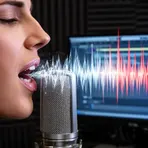
A sharp hissing sound in speech or recordings from s and sh sounds
Compounds
How Noisy
- Specialized

- Specialized
- Specialized
- Specialized
Surface Forms
Etymology
Sibilant comes from the Latin sibilare 'to hiss' and is like the English word hiss, so a sibilant is a consonant that makes a 'hissing' or 'hushing' noise, such as 's' or 'sh'.