

shingly
- adjective
- /ˈʃɪŋli/
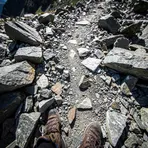
- The path was shingly and difficult to walk on without sturdy shoes.
Examples
-
We picnicked on a shingly beach by the river, listening to the waves.
-
After the rain, the shingly banks sparkled in the afternoon sun.
-
The beach was shingly and uncomfortable to walk on.
-
I dislike shingly paths when hiking.
-
The path was shingly and difficult to walk on without sturdy shoes.
-
We picnicked on a shingly beach by the river, listening to the waves.
-
I dislike shingly paths when hiking.
Synonyms
 63
1.0
63
1.0

Land that has many rocks or stones
 7
2.7
7
2.7
Ground that is full of rocks
 1
3.2
1
3.2
Covered with many small round stones
 1
3.9
1
3.9
Covered with many small stones that crunch underfoot
 1
4.6
1
4.6
A surface covered in many small round bumps like tiny stones
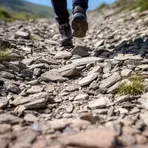
Covered with loose stones and broken pieces of rock
Antonyms

How Stony

Surface Forms
Morphology
Etymology
Shingly comes from shingle, a word for a 'small stone' or 'pebble', plus -y, which means 'full of' or 'covered with', so it describes ground 'covered with small stones'. Think of a beach of pebbles that crunch under your feet, which explains why a shingly path is hard to walk on.