
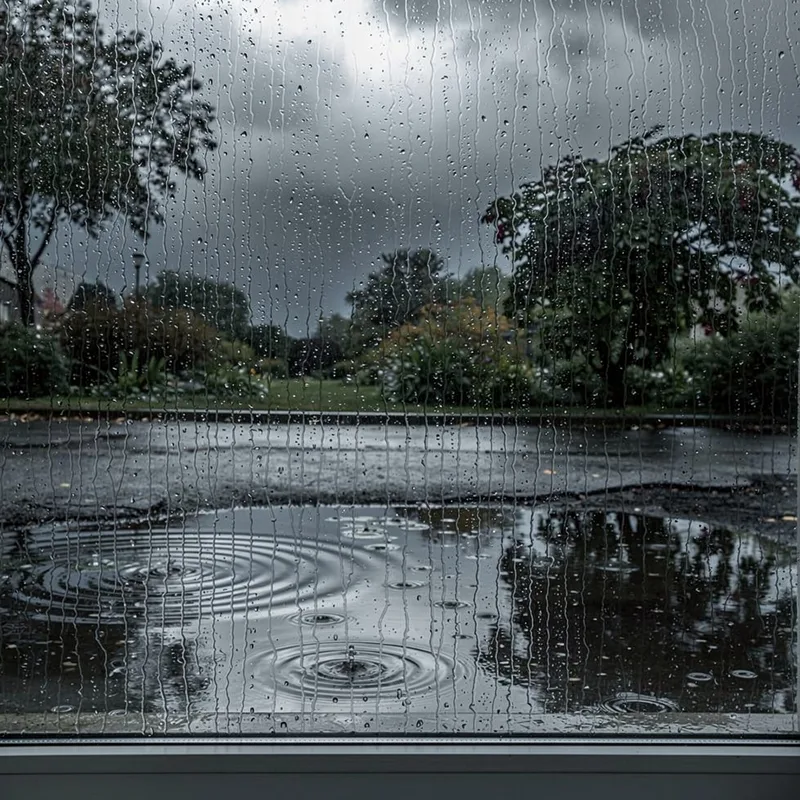
to set in
 64
5.4
64
5.4

- phrasal verb
- If I don't do it now, infection will set in.
- reforms set in
- process sets in
- a reaction set in
Loading YouTube…
Watch on YouTubeAnd two, so then doubt sets in, fear sets in.
- And two, so then doubt sets in, fear sets in.
- You become stressed, insecurity sets in and anxiety creeps on, right?
- And then doubt starts to set in, right.
- There's still time for you when this suffering sets in, you realize
- And it starts reality starts setting in, like people go out to eat quite often.
- And how quickly the amnesia set in for these triple Trumpers.
- And you know, and people are very set in their ways.
- Narcissistic people become even more difficult, more set in their ways, more invalidating.
- You guys just let that set in.
- Her cancer had been cut out, but dementia had set in.
- And then a kind of fatigue sets in.
- My ego sets in a little bit and I'm like, well, they know that.
- What exactly that meant what it was hadn't really like set in for me.
- And that right there is where some of this confusion sets in.
- Let's just say that crisis cloud set in Airy.
Examples
-
We do have drugs that can keep you more comfortable once the pain sets in.
-
When the town's plant closed down, jobs left, poverty and crime set in.
-
And two, so then doubt sets in, fear sets in.
-
And then doubt starts to set in, right.
-
And now, of course, when fear sets in, blood memory sets in.
-
I guess the guilt set in.
-
A lingering depression had set in, and she stopped going to class.
Fiction book (2001) -
We don't want any complications to set in, do we?
-
Panic sets in.
-
As the storm continued, a sense of hopelessness began to set in among the villagers.
Synonyms
 126
3.4
126
3.4
Start to have an effect after a short delay
Antonyms


How Persistent
61
3.5
 64
5.4
64
5.4
Surface Forms
Morphology
The locative sense ('to be placed in' or 'to take place in') follows from combining 'set' (place/position) with the preposition 'in', so learners who know the constituents can often infer the general idea. However, the conventional narrative use (often passive: 'is set in') and the extension to temporal or contextual settings make the exact usage slightly non-obvious without prior exposure, so it is not fully transparently predictable.
Etymology
Set in comes from the picture of wet cement that hardens and stays. The verb set means to become fixed, and when trouble or bad weather sets in, it takes hold and stays, so the phrase means 'to begin and continue'.