
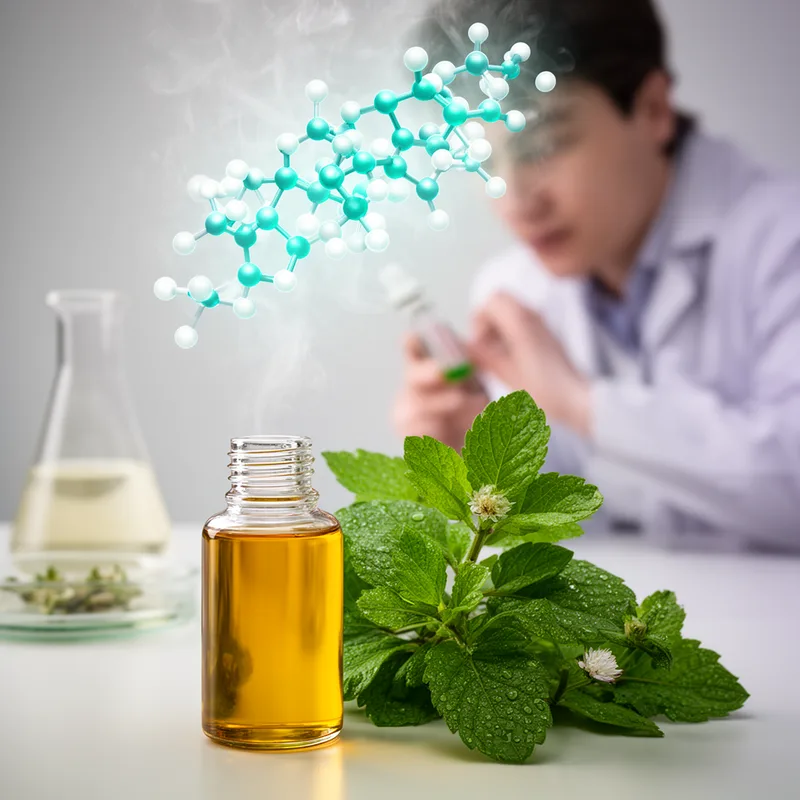
sesquiterpene


 1
9.9
- adjective
- /ˌsɛs.kwɪˈtɜr.piːn/
- Specialized
- Scientists studied the sesquiterpene profile of the plant to understand its medicinal properties.
Examples
-
A sesquiterpene structure can influence the aroma and biological activity of natural products.
-
The essential oil contains a high concentration of sesquiterpene compounds.
-
The sesquiterpene compounds in this essential oil are known for their therapeutic properties.
-
Many plants produce sesquiterpene substances that attract pollinators.
-
The essential oil contains high concentrations of sesquiterpene compounds, which contribute to its distinctive aroma.
-
Many plants produce sesquiterpene metabolites that are known for their aromatic properties and potential health benefits.
-
In natural products chemistry, researchers study sesquiterpene derivatives for their roles in plant defense mechanisms.
Surface Forms
Morphology
Etymology
Sesquiterpene joins sesqui- meaning 'one and a half' and terpene, the same root as 'turpentine' (a tree oil). So calling something sesquiterpene means it contains those three-part terpene molecules that affect a plant's aroma and biological activity.