
sepulture
- noun
- /ˈsɛpəlˌtʃʊr/
- Archaic
- The ancient Egyptians practiced elaborate sepulture rituals.
Examples
-
Religious customs governed every aspect of the sepulture of community members.
-
The ancient tombs revealed evidence of elaborate sepulture practices.
-
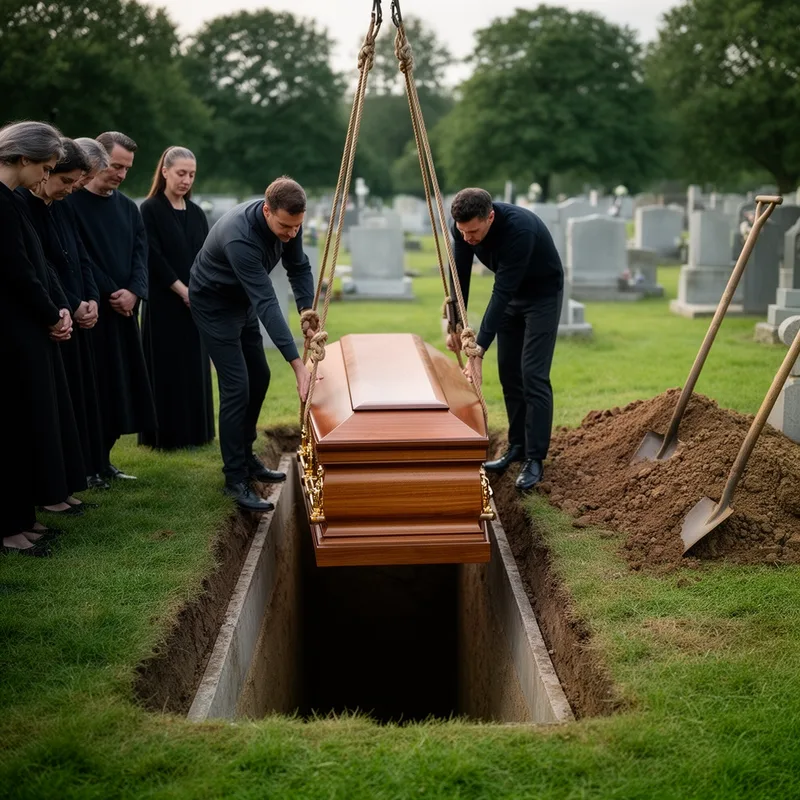
They gathered to witness the solemn sepulture of their beloved leader.
-
The sepulture of the king was a grand affair.
-
The ancient ritual of sepulture involved elaborate ceremonies to honor the deceased.
-
During the sepulture, family members gathered to pay their respects and say their final goodbyes.
-
After the funeral, the sepulture took place in the cemetery where their ancestors were buried.
Synonyms

 172
3.5
172
3.5

The act of placing a dead body in a grave, often with a ceremony
 4
8.4
4
8.4
The act of placing a dead body in a grave after a funeral
 1
8.9
1
8.9
The act of placing a dead body in a tomb or grave during a funeral

Putting a dead person in a grave
Antonyms

Surface Forms
Etymology
Sepulture comes from the Latin sepultura, from sepelire meaning 'to bury'. That's why sepulture can also mean the act or ceremony of burying someone, not just the place where they are laid to rest.