
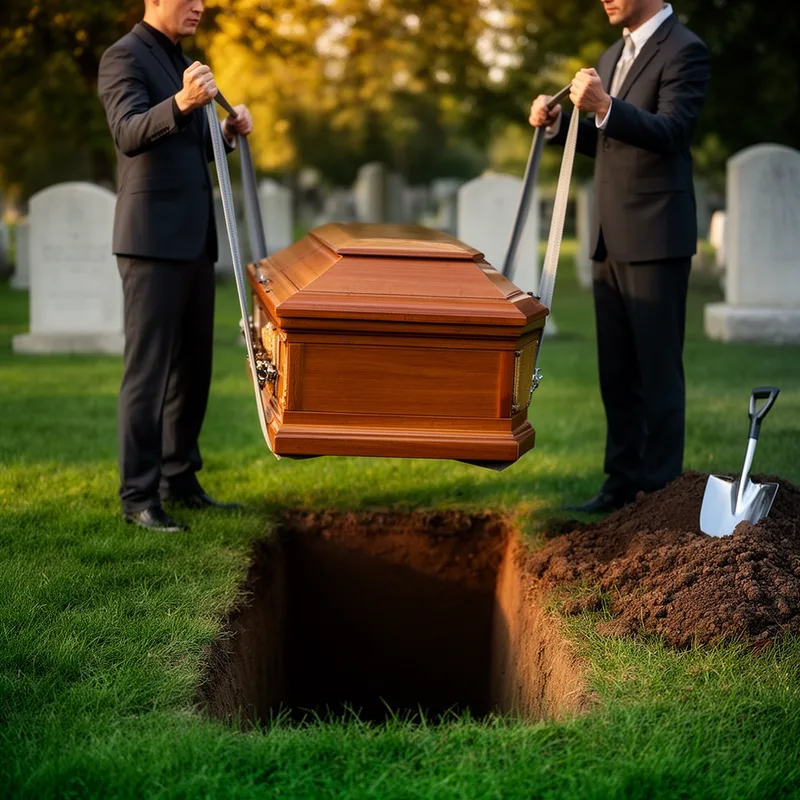
inhumation
- noun
- /ˌɪnhjuˈmeɪʃən/
- Specialized
- After the ceremony, the community gathered to perform the inhumation of their beloved leader.
Examples
-
This contrasts with earlier Upper Paleolithic periods such as the Gravettian, where primary inhumation (sometimes with elaborate grave goods) was the common burial practice 67.
Blog text (30) -
In 1959, Charles Daniels discovered the skeletal remains of an Anglo-Saxon inhumation burial whilst undertaking excavations in preparation for a new school that was to be built on Church Street, Southwell, Nottinghamshire.
Blog text (28) -
During this period, 15 cremation features and 14 inhumations were uncovered and excavated.
Academic text (1990) -
These and all other cremations and inhumations recovered at the site were studied by a physical anthropologist.
Academic text (1990) -
Conversely, "Graveyard Mansion" and its heirs discarded the pleasing fiction that places set aside for inhumation could be neutral, intelligible, or comical.
Academic text (2015) -
The ancient ritual of inhumation often included placing personal items in the grave.
-
The museum displayed artifacts related to the inhumation practices of past civilizations.
Synonyms
 820
1.9
820
1.9

A ceremony to bury or cremate a person who has died
 172
3.5
172
3.5
The act of placing a dead body in a grave, often with a ceremony
 4
8.4
4
8.4
The act of placing a dead body in a grave after a funeral
 1
8.9
1
8.9
The act of placing a dead body in a tomb or grave during a funeral

To put a dead person into a grave or tomb

A short ceremony at a grave or crematorium when people say goodbye to a dead person
Surface Forms
Morphology
Etymology
Inhumation comes from Latin parts in- 'in' and humus 'ground'. It literally means 'putting into the ground' and has the same root as humus, a word for soil, and humble, which once meant 'low to the ground', so it means burial.