
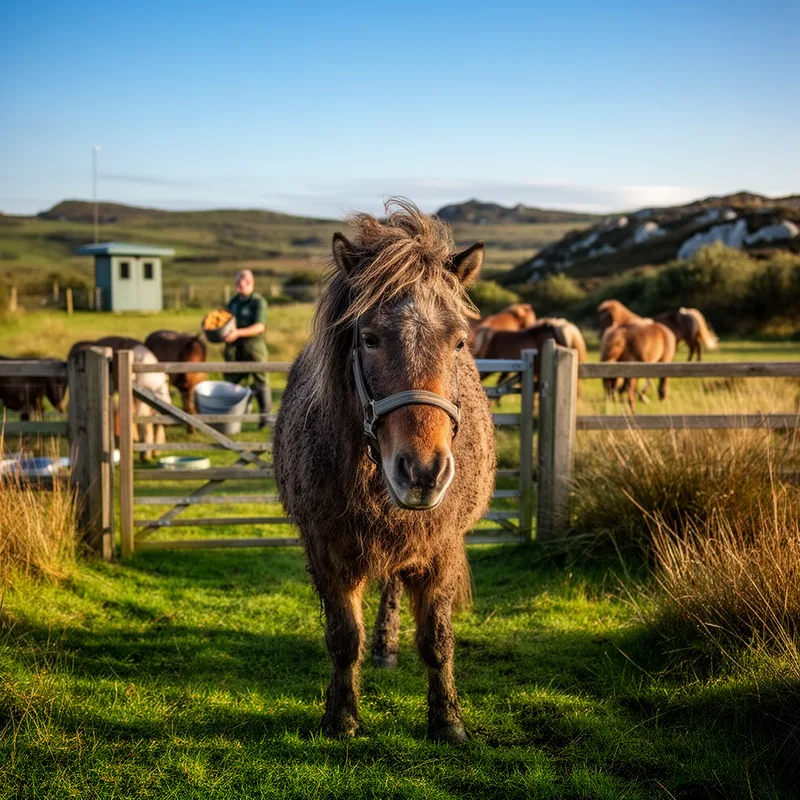
semiwild
- adjective
- /ˌsɛmiˈwaɪld/
- These horses are considered semiwild because they roam freely but are not completely untamed.
Examples
-
The semiwild dogs lived near the village but still hunted for food.
-
Many semiwild plants thrive in this region.
-
Some semiwild plants grow in gardens but can also be found in the forest.
-
The reserve is home to a herd of semiwild ponies that are occasionally fed by rangers.
-
The semiwild horses roam freely in the fields.
-
The Barbary macaque is known for its semiwild population living in the forests of Morocco.
-
In the nature reserve, the semiwild deer graze peacefully, showing only a slight wariness of humans.
Synonyms


 1
6.0
1
6.0
Only partly wild, not fully tamed or grown by people
 1
7.2
1
7.2
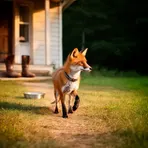
Partly tame animals that live with people but still have wild instincts
Antonyms

How Wild

Surface Forms
Morphology
Etymology
The word semiwild joins semi and wild, and semi means 'partly' or 'half', as in semicircle or semi-final. So, semiwild means 'partly wild', not fully tamed or controlled.