
semisynthetic


 1
7.7
- adjective
- /ˌsɛmɪsɪnˈθɛtɪk/
- Specialized
- In the pharmaceutical industry, semisynthetic drugs are often preferred for their enhanced efficacy and lower side effects.
Examples
-
Twelve percent were used as is, 63 percent were semisynthetic, and 4 percent were developed on the basis of pharmacological properties found in natural products.
Academic text (1995) -
In 2008, semisynthetic opioids replaced methadone as the most common opioid causing mortality.
Academic text (2018) -
Rifampin (Rifadin) - A semisynthetic derivative of rifamycin that is produced by Streptomyces mediterranei.
Academic text (2005) -
The researchers developed a semisynthetic version of the antibiotic to improve its stability and effectiveness.
-
Semisynthetic materials combine natural compounds with synthetic elements to create more effective products.
Antonyms


How Synthetic
- Specialized
10
5.3
 273
3.6
- Specialized
1
7.7
78
3.9
∞
1.0
Surface Forms
Morphology
Etymology
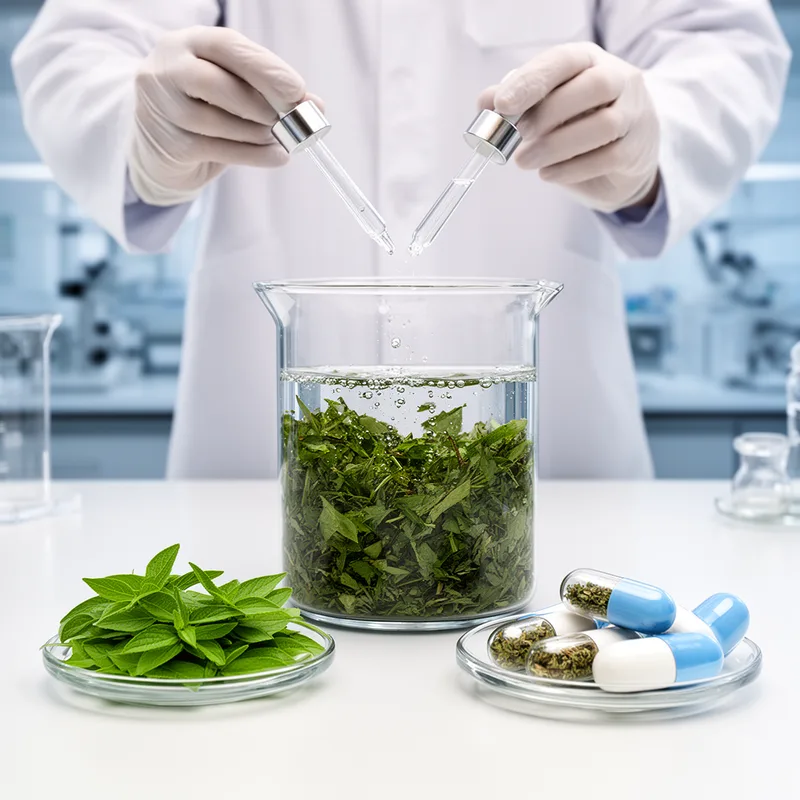
Semisynthetic breaks into semi- meaning 'partly' and synthetic meaning 'made by putting parts together'. So a semisynthetic drug or material is partly natural and partly made or changed in a lab.