

semi-evergreen
- adjective
- /ˌsɛmiˈɛvərˌɡriːn/
- Specialized
- In colder climates, many shrubs are classified as semi-evergreen because they lose some leaves in the winter.
Examples
-
The semi-evergreen shrub retains some leaves in winter.
-
Semi-evergreen plants are especially useful for regions with variable climates.
-
Some semi-evergreen trees may keep part of their foliage through mild winters.
-
The garden features a mix of semi-evergreen and deciduous shrubs to maintain year-round interest.
-
I prefer a semi-evergreen plant for my garden.
-
The semi-evergreen plant retains some leaves throughout winter, providing color to the garden.
-
This variety of semi-evergreen tree keeps a portion of its lush leaves even during the dry season.
Synonyms

A plant that keeps some leaves all year but loses others
Antonyms
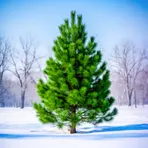


How Evergreen

Surface Forms
Morphology
Etymology
The word semi-evergreen is a simple combination: semi- means 'half' or 'partly', as in semi-final, and evergreen means 'keeps leaves all year'. So a semi-evergreen plant keeps some, but not all, of its leaves through the year.