

seismoscope


 1
9.1
1
9.1
- noun
- /ˈsaɪzməˌskoʊp/
- Specialized
 :
sismógrafo
:
sismógrafo
- He studied the data recorded by the seismoscope to determine the origin of the tremors.
Examples
-
3: Avoid thinking about a scenario for which I will need a seismoscope where a woodpecker would be sound-scaping a tree.
-
The ancient seismoscope was able to detect distant earthquakes and show their direction on a scale.
-
In a recent demonstration, the seismoscope indicated that an earthquake had occurred 200 kilometers away.
Synonyms
 6
7.0
6
7.0
Machine that records ground movements during earthquakes
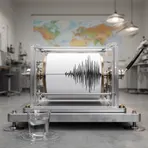 2
5.3
2
5.3
A device that measures shaking in the ground, for example during an earthquake
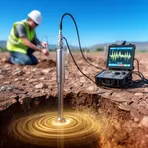
A device that detects and records ground shaking to study earthquakes or underground movement
How Informative

Surface Forms
Morphology
Etymology
Seismoscope joins seismo- ('earthquake') and -scope ('to look'), the same ending you see in telescope and microscope. So, a seismoscope is a device that 'looks for' or detects earthquakes and can even show the direction they come from.