

to seat
 38
2.8
38
2.8

- verb
- /siːt/
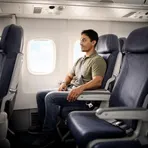
- The coach is spacious enough to seat eight passengers.
Examples
-
Our turboprop plane could seat forty, though it was less than half full.
Fiction book (1999) -
The bowl is big enough to seat twenty thousand people, and then some.
Academic text (2001) -
The upper deck can seat up to fifty passengers, but it's empty for this flight.
Fiction book (1992) -
Priscilla was able to seat us at a corner table in the dining area.
Fiction book (1992) -
The large-group meeting room should have ample space to seat each small group at a table comfortably.
Academic text (1991) -
Get every passenger seated.
-
In the evenings, they won't seat men in shorts and without jackets.
Fiction book (1990) -
The new theater was designed to seat 1,000 people comfortably.
-
The restaurant can seat up to 150 customers at once.
Idioms



Phrasal Verbs



Compounds



- Informal
22
4.6
A position where someone is under strong pressure and criticism because of their responsibilities




 5
3.7
5
3.7
A place very close to the action at a sporting event or show that lets you watch events up close

- Specialized
3
5.0
A seat in a plane that pushes the pilot out in an emergency so they can use a parachute

- Specialized
2
5.5
A seat in a plane that pushes the pilot out in an emergency so they can use a parachute



- Archaic
1
9.9
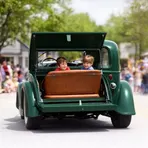
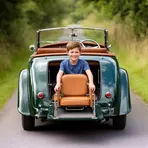
An extra place to sit at the back of an old car that folds and is open to the air





- Archaic
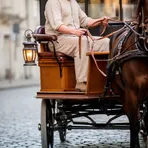
A small extra folding seat at the back of a two-seat car often open to the weather

- Archaic
A rounded chair seat that looks like a small puffed cushion on 18th century chairs

- Specialized
A slightly curved place to sit like a horse saddle that gives extra comfort



- Specialized
A seat in a rowing boat that moves on runners so the rower can use their legs
How Many

Surface Forms
Etymology
Seat comes from the Old English setl, meaning 'place to sit'. When we say a hall 'seats' 1,000 people, we mean it has 1,000 places for people to sit.