

seal
 6
5.6
6
5.6

- noun
- /siːl/
- Greenland Eskimos consume an average of 400 g daily of seal, whale, or fish.
Examples
-
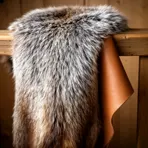
He wants her seal coat, da.
-
Yes, I want her seal coat.
-
Unfortunately for the seals, in those days their fur was not expensive.
Fiction book (1998) -
Oh, I'm shaking in my custom baby seal leather boots.
-
Gold, seal furs, fox pelts.
-
"Seal skins and oil were important for clothing, ropes, boats, and lamps."
Academic text (2008) -
The Inuits prefer their traditional seal, whale, and caribou.
Academic text (2004) -
Both had pale fawn-colored fur and seal brown masks, ears, and tails.
Fiction book (2000) -
And it had genuinely come off a seal's back, not one of these wharf-rat-dyed mink frauds that are still so common.
Fiction book (1998) -
Her new jacket was made from soft seal fur to keep her warm during the winter.
Synonyms


Compounds

- Formal
52
4.4
A member of a top United States Navy unit trained for special sea, air, and land missions



- US
 1
6.8
1
6.8
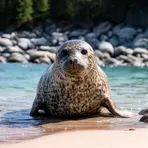
A medium-sized Arctic animal that lives in the sea with long whiskers used to find food under ice
 1
9.9
1
9.9
A senior UK government official who has an old title, no set duties, and sometimes has extra responsibilities

 1
5.3
1
5.3
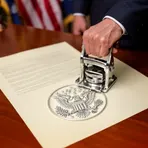
An official seal used to show a United States government document is real


- Formal
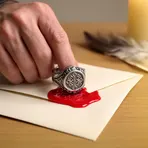
A formal written agreement signed with a special stamp that has stronger force in law


A silvery grey seal from Antarctica that eats mainly small sea animals with shells

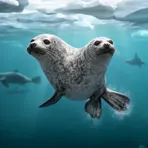
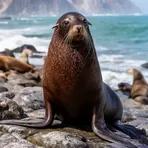
A large sea mammal with thick fur that lives on the Pacific coast from Alaska to California


A seal with thick fur that lives on rocky Pacific coasts near California and Mexico

- Specialized
A sea animal with no outer ears, a stiff coat of hair, and back legs like flippers

- Archaic
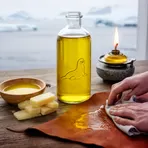
A yellowish liquid from seal fat that people use to make soap, treat leather, and burn in lamps

- Specialized
A sea mammal without visible ears, with fur and back flippers for swimming


A woodland plant with long curved stems, pairs of hanging green bell flowers and a thick root with round scars
How Warm

Surface Forms
Etymology
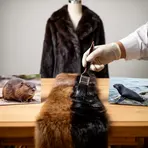
Seal for the fur comes directly from the animal seal, because people used the animal's soft skin to make warm clothes and hats.