
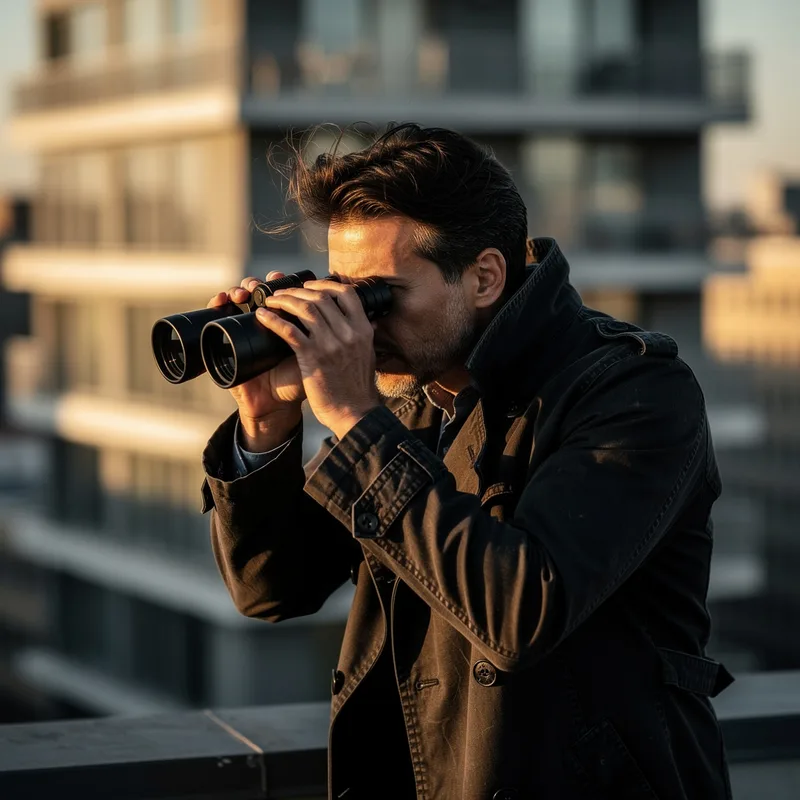
to scope
 48
3.7
48
3.7

- verb
- /skoʊp/
- As they get out of the car, Carolyn scopes out the movers next door.
Loading YouTube…
Watch on YouTubeI mean, maybe build a ramp, maybe scope out some houses.
- I mean, maybe build a ramp, maybe scope out some houses.
- So we're going to head back to the Airbnb, get some sleep and wake up for sunrise to scope out.
Examples
-
It's important to scope your competition to see how they are marketing their products.
-
Let's hit the bar and scope out the competition.
Fiction book (1999) -
And then we need to scope out the situation with the girls.
-
We're going to scope every one of them right now.
-
- You paid a guy to scope this place out?
-
You two go scope it out.
-
I'm gonna scope the place out.
-
First and foremost, when you attend a race event, you need to scope out the area well in advance.
Academic text (2006) -
I took the opportunity to scope out the road to see if anyone was parked nearby, watching me.
Fiction book (1997) -
Nope. So why are we going up there to look at real estate? We're scoping the place.
Fiction book (1999)
Synonyms
 ∞
1.0
∞
1.0
Study something carefully to understand it or decide
 ∞
1.3
∞
1.3
To look at something to check it or find information
 ∞
2.8
∞
2.8
To look carefully at something to find facts
 ∞
1.0
∞
1.0
To look at something carefully to understand it
 868
2.5
868
2.5
To look at something carefully to find facts or problems
 675
3.2
675
3.2
To study something carefully to understand it better
 670
2.4
670
2.4
To look at someone or something carefully to understand it
 642
2.5
642
2.5
To check something carefully, like papers or work
 573
2.8
573
2.8
Examine something carefully to find out more
 471
2.3
471
2.3
To study something carefully to learn more about it
 357
1.0
357
1.0
To look at something carefully
 252
2.9
252
2.9
To examine something carefully and give an opinion about its quality
 241
3.2
241
3.2
To look at someone or something carefully
 202
2.5
202
2.5
To look at something carefully to check if it works or is safe
 180
2.8
180
2.8
To read or check something carefully for mistakes
 127
2.7
127
2.7
To look quickly to find specific information
 70
6.2
70
6.2
To look at something very carefully to check for mistakes
 61
3.7
61
3.7
To look carefully through information to find what is important
 59
3.3
59
3.3
To look at something carefully to see what it is like
 44
3.9
44
3.9
To look through many things carefully to find something specific
 35
5.1
35
5.1
To ask careful questions to find hidden information
 33
3.7
33
3.7
To look closely at one part to see small details
 32
7.0
32
7.0
To read something slowly and carefully to understand it
 18
5.4
18
5.4
To look carefully at a place or person to get information before you act
 5
6.8
5
6.8
To study something carefully to find its main points
 1
4.2
1
4.2
Look at a report or plan very closely to find small mistakes

Find out how much work and time a project needs before it starts
Antonyms

Phrasal Verbs
- Informal
18
5.4
To look carefully at a place or person to get information before you act
Compounds

How Closely
- US
70
6.2
 868
2.5
48
3.7
202
2.5
∞
1.0
299
1.5
868
2.5
48
3.7
202
2.5
∞
1.0
299
1.5
Surface Forms
Etymology
Scope comes from the Greek skopein meaning 'to look', the same root in words like telescope. So to scope something out is to look it over or check it carefully before you act.