
scatophagy
- noun
- /ˈskætəˌfædʒi/
- Offensive
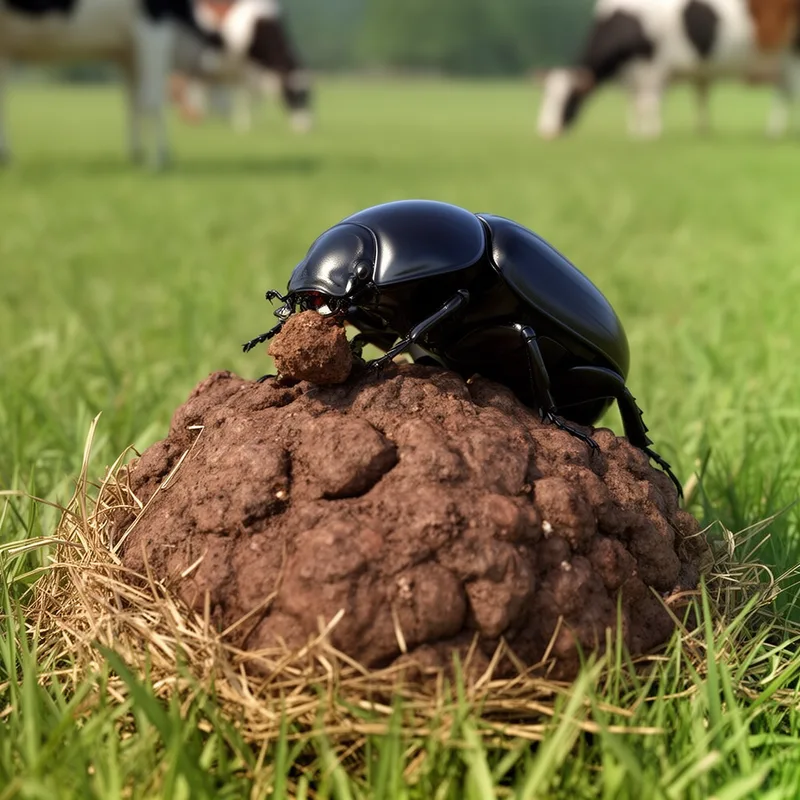
- Some insects, such as dung beetles, exhibit scatophagy as a regular part of their life cycle.
Examples
-
Some animals exhibit scatophagy as a survival strategy.
-
Rare cases of scatophagy have been documented in humans, usually linked to psychiatric disorders.
-
The study focused on the effects of scatophagy among certain mammal species in the wild.
-
The study of scatophagy in certain species is fascinating.
-
Some insects, such as dung beetles, exhibit scatophagy as a regular part of their life cycle.
-
In rare instances, scatophagy has been observed in humans, often associated with specific psychological conditions.
-
Many species of animals engage in scatophagy to obtain essential nutrients from waste.
Synonyms



 1
9.9
To eat poop, often seen in some animals and sometimes in people with mental illness
 1
9.9
To eat poop, often seen in some animals or in people with some illnesses
Surface Forms
Morphology
scatophagy = scato + phagy
The word is built from technical Greek combining forms ('scato-' + '-phagy') that are not productive or recognizable to average learners, so the meaning is not derivable from familiar English components.
Etymology
Scatophagy comes from Greek parts scato- meaning 'dung' and -phagy meaning 'to eat'. So scatophagy literally means 'eating dung', which is why we use it for the rare practice of animals, and sometimes humans, eating excrement.