

coprophagy


 1
9.9
- noun
- /ˌkɒprəˈfeɪdʒi/
- NSFW
- Veterinarians may be concerned if a household dog frequently engages in coprophagy.
Examples
-
Is coprophagy common in rabbits?
-
Some dogs exhibit coprophagy when they are anxious.
-
Many rodents practice coprophagy to obtain nutrients produced by bacteria in their gut.
-
In some psychiatric conditions, coprophagy may emerge as a distressing symptom.
-
Some animals, like rabbits, practice coprophagy to obtain essential nutrients from their food.
-
In unusual cases, severe mental illness can lead to coprophagy as a compulsive behavior.
-
Veterinarians often advise pet owners about the risks of coprophagy in dogs and how to correct it.
Synonyms
 1
9.9
To eat poop, often seen in some animals and sometimes in people with mental illness
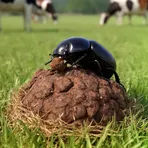
Eating poo or other animal waste, usually by animals but sometimes by humans
Surface Forms
Morphology
coprophagy = copro + phagy
Built from Greek combining forms ('copro-' = feces, '-phagy' = eating) that are not standalone English words, so learners cannot reliably infer the meaning from familiar English base words.
Etymology
Coprophagy comes from the Greek words kopros 'dung' and phagein 'to eat', so it literally means 'dung-eating'. That's why the term is used for animals and, in rare medical cases, people who eat feces.