
saving


 1
3.7
- adjective
- /ˈseɪvɪŋ/
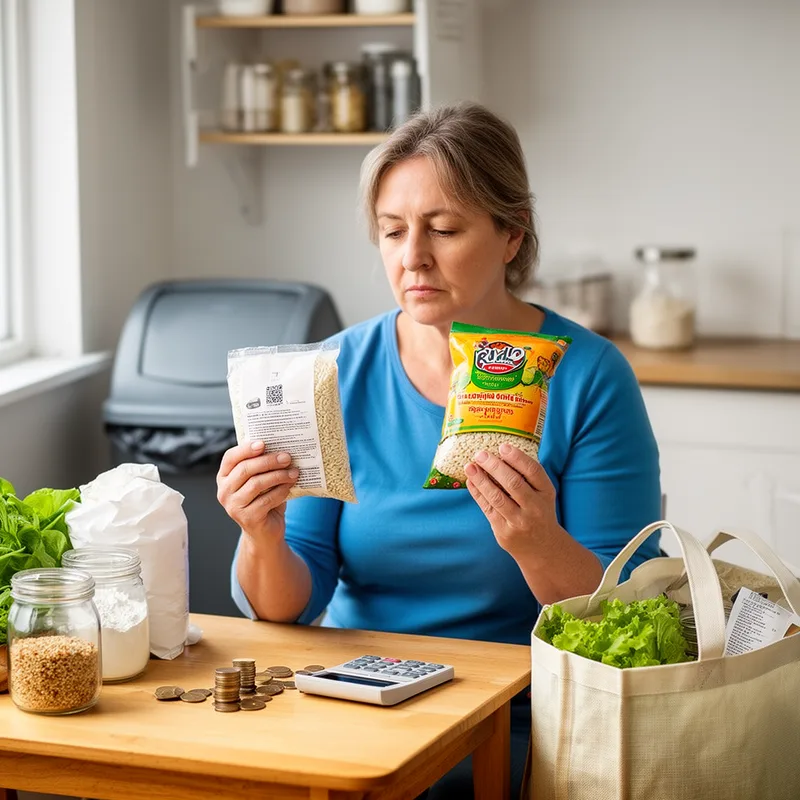
- He has developed a saving habit by cooking meals at home instead of dining out.
Examples
-
She always uses saving strategies when shopping to stay within her budget.
-
However, time saving tips, you asked for time saving tips in shop layout.
-
And my pick is money saving Experts Credit club.
-
So I find I'm kind of constantly energy saving mode for small little things.
-
So this is part of the power saving approach that AMD's taken with Polaris.
-
Investing in energy-efficient appliances is a saving choice for both the environment and household expenses.
Synonyms
 30
4.9
Careful about spending money and not wasting things
 11
4.4
Being careful with money and things to avoid wasting them
Antonyms


Compounds

- Informal
13
4.4
A good quality that makes someone or something acceptable despite faults
 5
3.0
Setting clocks forward one hour during some months to have more daylight in the evening
 4
3.1
People turn clocks forward one hour in summer to make evenings lighter


 1
2.9
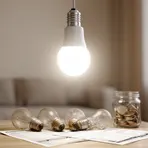
A light bulb that uses less electricity, like an LED or a compact fluorescent
 1
2.5
A bulb that uses less electricity than old bulbs, for example LED bulbs
How Thrifty

Surface Forms
Morphology
Etymology
Saving comes from the Latin salvare, 'to save', and links to the idea of keeping things 'safe' and in good order. That's why a saving person is careful with money or resources and avoids waste.