

saurian


 1
9.9
1
9.9
- adjective
- /ˈsɔːriən/
- Specialized
- The museum showcased several saurian fossils from the Jurassic period.
Examples
-
The saurian structure of the creature's limbs suggested it was a reptile.
-
Unlike mammals, saurian species lay eggs and have scaly skin.
-
Look at that saurian basking on the rock!
-
The saurian features of this creature are fascinating.
-
The scientist studied a saurian species that thrived in the tropical forests.
-
Some ancient cultures believed that saurian creatures were the ancestors of modern reptiles.
-
The saurian fossils found in the region provide insight into prehistoric ecosystems.
Synonyms
 19
5.5
19
5.5
Having features like those of snakes or lizards
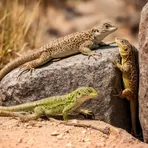
Relating to lizards and the way they act

Having a lizard's look or movement, often quick and not showing much feeling

Having dry, bumpy skin like a lizard or snake
Compounds
- Specialized
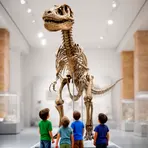
Preserved bones of a reptile, often a dinosaur, that form a skeleton
Surface Forms
Morphology
saurian = saur + ian
Formally built from the combining form 'saur-' (meaning 'lizard') + the suffix '-ian'; because the root is a specialized combining form rather than a common English base, the relation is not readily transparent to average learners.
Etymology
Saurian comes from the old Greek word sauros, which means 'lizard'. So something called saurian is lizard-like, with features like scales or a lizard body, and that is why the word describes reptiles and lizard-like animals or fossils.