
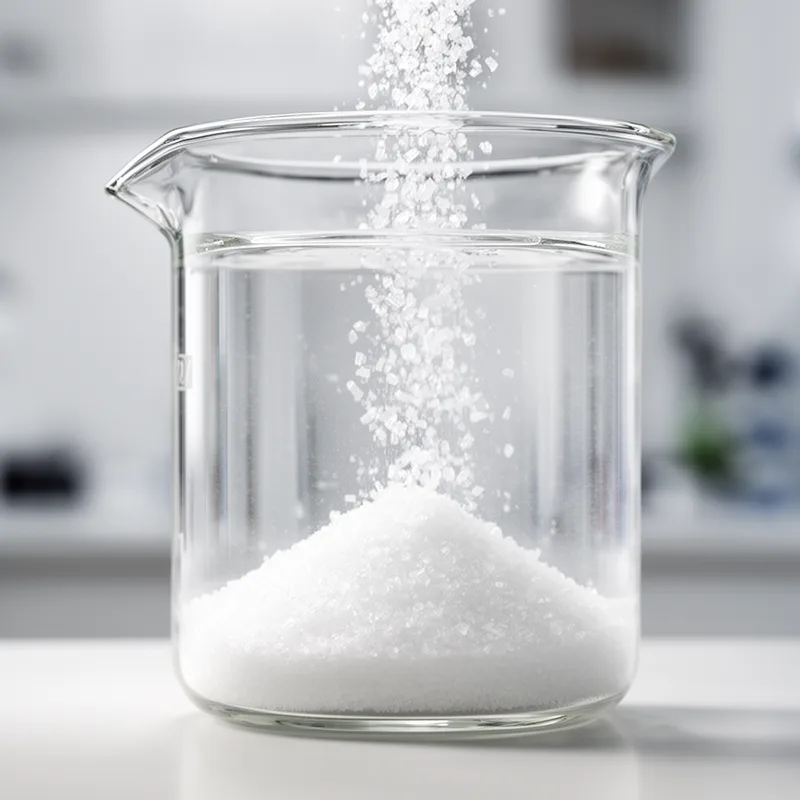
to saturate
 19
6.0
19
6.0

- verb
- /ˈsætʃəˌreɪt/
- Specialized
- The sponge will saturate quickly in the water, soaking up all the liquid.
- saturated fat
- saturated fat intake
- saturated fatty acid
Examples
-
So we're going to do both sides, flip them over and go ahead and saturate the other side.
-
Now, however, as the story comes to an end, horror and compassion saturate the tenor of the prayer.
Academic text (1995) -
We find the poem to be saturated with vibrant images: images of southern Iraq in particular.
Academic text (1997) -
My imagination became saturated with the materials of their cosmopolitan politics.
Academic text (2015) -
During summer months, the air sat still and gauzy, leaden with humidity, saturated with hydrocarbons.
Fiction book (2001) -
The stopper was fitted with a bamboo-handled brush, its soft bristles saturated with gleaming black ink.
Fiction book (2000) -
She used the dye to saturate the fabric, ensuring it reached its deepest color.
-
After the rain, the soil became saturated and was unable to absorb any more water.
Synonyms
 14
4.4
14
4.4
Fill something completely with a liquid or a strong feeling
 3
7.4
3
7.4
To fill something completely with a liquid or chemical
 1
8.3
1
8.3
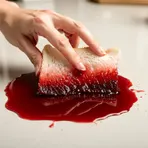
To make something take in liquid until it is very wet
Antonyms

Phrasal Verbs


 1
5.3
1
5.3
To sell so many of a product that people stop buying more unless prices fall
How Saturated
- Specialized
1
8.2

- Specialized
19
6.0
83
4.4
28
3.5
Surface Forms
Etymology
Saturate comes from the Latin saturare meaning 'to make full', and it is the same idea behind the English word sated ('full'). In science this means filling to the limit, for example a solution is saturated when it cannot hold any more salt.