
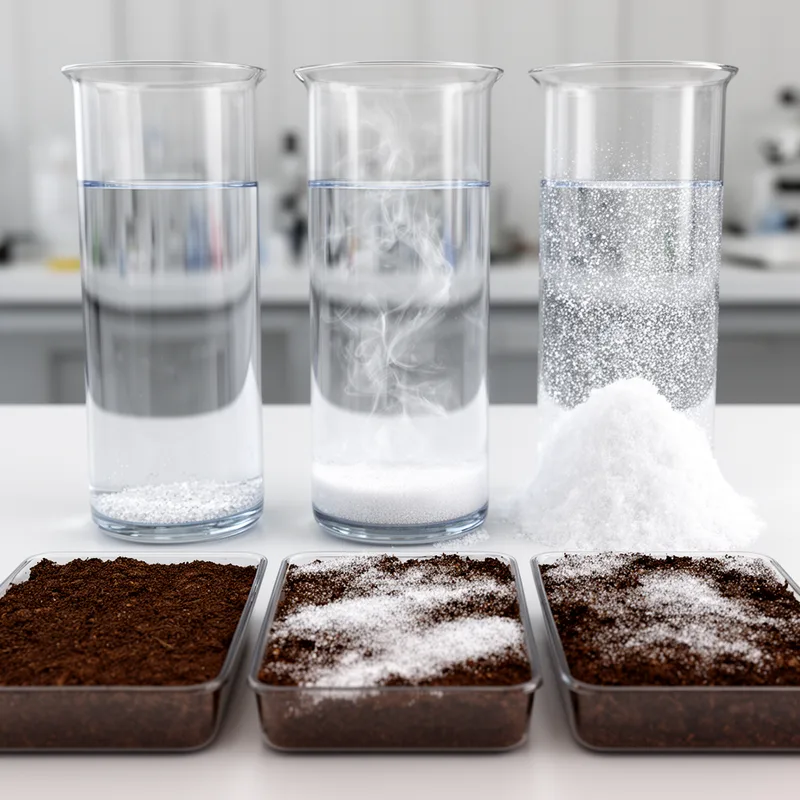
salinity
 6
5.3
6
5.3

- noun
- /səˈlɪnɪti/
- Specialized
- The salinity of seawater is typically around 3.5%, which is essential for marine life.
- temperature and salinity
- salinity level
- high salinity
Loading YouTube…
Watch on YouTubeMany of those layers density layers with different salinity layers of life that are related to light and temperature.
- Many of those layers density layers with different salinity layers of life that are related to light and temperature.
Examples
-
A critical factor in shrimp culture is the salinity of the pond water.
Academic text (1990) -
Wetlands shrank and fish populations declined, while salinity levels and the frequency of algal blooms increased.
Academic text (2008) -
His water must be kept at 5 to 8% salinity.
-
This map also shows the salinity differences in in the various oceans and seas.
-
The water off the coast of Oregon is characterized by high salinity and low temperatures.
Academic text (1996) -
If you are using a hydrometer to determine salinity, you must convert specific gravity to salinity.
Academic text (1995) -
Its water level and salinity fluctuated due to natural causes until about 1960.
Academic text (1996) -
The water under the floe is therefore near freezing and high in salinity, conditions that make it dense.
Academic text (1992) -
Several important features, in addition to salinity, distinguish salt from freshwater lakes.
Academic text (1996) -
The salinity in the Narunami area around noon is expected to be 57 per mill.
Synonyms




How Salty

Surface Forms
Morphology
Etymology
Salinity comes from the Latin root sal meaning 'salt' and the ending -ity meaning 'state or quality', and you can see the same idea in saline and the everyday word salt. So, salinity is the amount of salt in water or soil and tells us how salty a place is.