

sago
 1
7.9
1
7.9

- noun
- /ˈseɪɡoʊ/
- Fish is eaten, like meat, as an accompaniment to sago pudding.
- sago pudding
- sago palm
- sago imported
Examples
-
The Mailu were farmers with limited land but had resources for producing sago nearby.
Academic text (1994) -
Manam imported sago annually from the mainland.
Academic text (1994) -
Mailu produced sago, and it was one of their major exports.
Academic text (1994) -
Rights can be reinforced by planting tree crops, including sago, which are freely given away to others.
Academic text (1992) -
The women, meanwhile, were reestablishing their barter markets with the sago suppliers.
Academic text (2003) -
The subsistence of the Sawiyano consists primarily of sago, hunted game, gardened root crops, and fish.
Academic text (1992) -
Scola then handed a basket containing sago, rice, and canned fish to Joseph's patrilineal cousin.
Academic text (1997) -
This stretchy, sticky delicacy, called ambuyat, is made by combining hot water and the starch of the interior of the sago palm tree.
-
After the Chambri returned from exile in the Sepik Hills, the barter system between fish suppliers and sago producers had to be reestablished before.
Academic text (2003) -
Sago is often used as a thickener for sago soups and sauces.
Synonyms
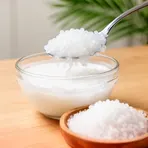
Small round grains made from tropical plant starch used in desserts
Compounds

- Indian
A cycad plant from southeast India that looks like a palm but is not a true sago

- Australian
A large tree-like fern from New Zealand and Australia with white undersides on its divided leaves


Surface Forms
Etymology
Sago comes from Malay/Indonesian sagu, which means the 'starchy center' of certain palm trees. So sago is literally the starch taken from those palms, which explains why we use it in puddings and as a thickener.