
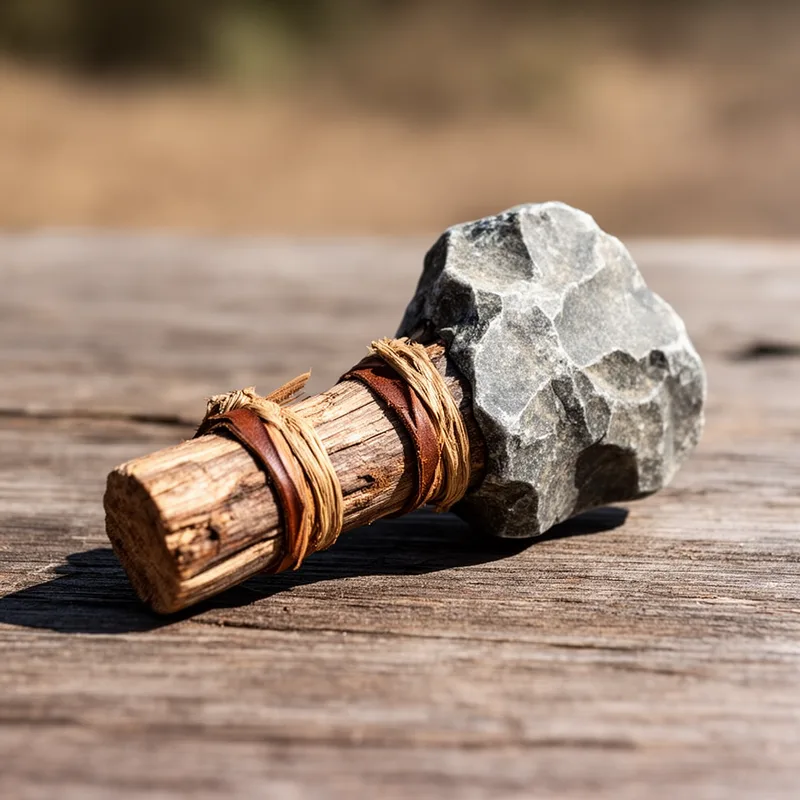
rudimentary
 33
5.1
33
5.1

- adjective
- /ˌruːdɪˈmɛnˌtɛri/
- She has a rudimentary understanding of the topic, but she is eager to learn more.
- rudimentary skills
- a rudimentary understanding
- rudimentary knowledge
Loading YouTube…
Watch on YouTubeThe way I light and shadow my stuff is incredibly rudimentary, very simple.
- The way I light and shadow my stuff is incredibly rudimentary, very simple.
- That is a big deal and frankly a fairly rudimentary example.
- Like people cheered up, you know, they all like that because it was, it was, you know, rudimentary, but it was from the soul.
- When they're stuck doing Excel spreadsheets or they're stuck doing presentations of the things that seem rudimentary, there's so much opportunity within that as well.
- Is there just a short list, a rudimentary list of things I can do so as to not screw my kids up?
- Not how to detect like rudimentary thug style surveillance, but how to how to detect professional surveillance teams.
- They all had a rudimentary language for danger calls, mating calls, food.
- But I think storytelling, I think film itself is a, is a very rudimentary language that's in, it's still in, it's like primitive stage.
- Every being, according to the Stoics, has a sort of rudimentary grasp of its own being, its own condition.
- So think of this as rudimentary unfulcomena, right?
Examples
-
Since 1990, for example, Oehlen has used rudimentary graphics software to produce his computer paintings.
Academic text (2012) -
Like others of my generation in graduate school, however, I received only rudimentary training in ethnographic methodology.
Academic text (1992) -
It's a very easy, rudimentary system, but it's clean and it works.
-
Even some animals make a rudimentary use of these tools.
-
I wish I could say I had more than a rudimentary understanding of them.
Fiction book (1990) -
Students with less developed skills are given easier parts to play to develop rudimentary skills.
Academic text (2011) -
The way I light and shadow my stuff is incredibly rudimentary, very simple.
-
And the best thing you can say for them is that they actually have done a splendid job with rudimentary public health.
-
Prior to arriving, they had no experience with technologies other than rudimentary tools for farming and hunting.
Academic text (2015) -
Figure 2 is a schematic depiction of a rudimentary solar cell that shows the important features.
Academic text (1993)
Synonyms
 ∞
1.0
∞
1.0
Forming the simple and most necessary part of something
 536
3.5
536
3.5
Very important and necessary for something to work
 183
5.1
183
5.1
From an early stage of development that is simple and not advanced
 16
1.1
16
1.1
Basic and most important part of something
 3
4.2
3
4.2
Something simple that is not complicated to make or use
 3
4.3
3
4.3
Not grown enough to reach the normal size, skill, or quality

Very basic and not fully developed

A very simple thing with almost no features or comfort
Antonyms


How Developed

Surface Forms
Morphology
Etymology
Rudimentary comes from the Latin word rudimentum, which is from rudis meaning 'rough' or 'untrained'. So think of a 'rough first step' or the simple parts you learn first, which is why rudimentary means 'basic' or at an early stage.