

rotator
 11
5.8
11
5.8

- noun
- /ˈroʊˌteɪtər/
- Specialized
- Several injuries associated with anterior glenohumeral dislocations include neurological defects, rotator cuff injuries, and fractures of the greater tuberosity (2).
- rotator cuff
- rotator cuff tear
- rotator muscle
Loading YouTube…
Watch on YouTubeGot on the IR, blew my rotator cuff.
- Got on the IR, blew my rotator cuff.
- We'll review that MRI, a rotator cuff tear and then a young athlete with just a small medial meniscus tear that might need to do well with an injection.
- I wonder how many lawsuits there have been of people who like, just like thick bitches that tore their rotator cuff.
Examples
-
Rotator cuff tears are frequently managed nonoperatively; however, when conservative management fails, surgery is indicated.
Academic text (2017) -
I tore my rotator cuff lifting my big-screen TV out of a U-Haul.
-
Risk factors: The following factors may increase your risk of having a rotator cuff injury:
Blog text (33) -
As you get older, your risk of a rotator cuff injury increases.
Blog text (33) -
I tore my rotator cuff.
-
What is the most common location for a rotator cuff tear?
Academic text (2003) -
Literature shows that rotator cuff disease is common in patients aged 60 years or older.
Academic text (2017) -
Three surgeries on my rotator cuff destroyed my shot at a pro football career but not my drive to win.
-
The fluid-filled sac (bursa) between your shoulder joint and rotator cuff tendons can become irritated and inflamed.
Blog text (33) -
A rotator is crucial for the functioning of the shoulder joint, allowing for a wide range of motion.
Synonyms
 1
8.1
1
8.1
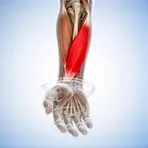
A muscle that turns the forearm so the palm faces down

A forearm muscle that turns the palm upward
Compounds

- Specialized
10
5.1
A group of muscles and tendons around the shoulder that hold the upper arm bone in its socket
Surface Forms
Morphology
Etymology
Rotator in the body sense also comes from the Latin root rot- meaning 'turn', as in rotate, so a rotator is a part or muscle that makes the arm or another limb turn around a joint.