

rootlessness
- noun
- /ˈruːtləsnəs/
- Specialized
- Gardeners often struggle with rootlessness when propagating new plants from stem cuttings.
Examples
-
Due to its rootlessness, the cutting was unable to absorb enough water to survive.
-
After several weeks, the plant's continued rootlessness indicated it would not survive transplantation.
-
The rootlessness of the cutting made it impossible for it to absorb nutrients from the soil.
-
The rootlessness of the plant made it difficult to thrive.
-
The gardener noticed the rootlessness in his new cuttings.
-
The rootlessness of the cutting prevented it from taking hold in the new pot.
-
The gardener was concerned about the rootlessness of the new plant since it hadn't established any roots yet.
Antonyms
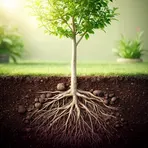
How Rooted

Surface Forms
Morphology
Etymology
Rootlessness comes from the simple word root, the part of a plant that takes in water and food, and the ending -less, meaning 'without'. So, rootlessness is being 'without roots', which is why a cutting that has not grown roots cannot absorb nutrients.

