
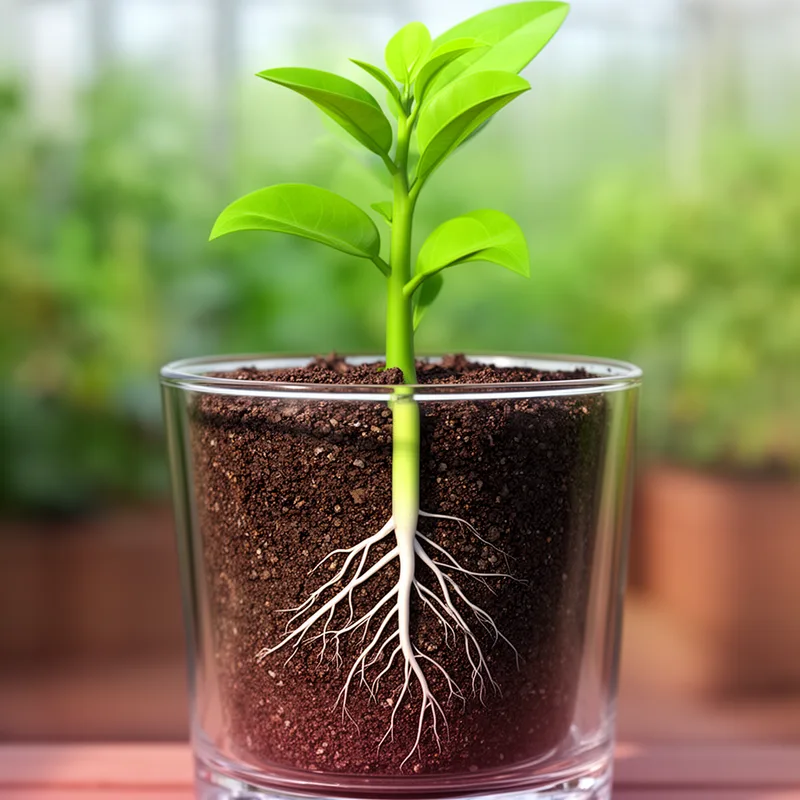
rooting
- noun
- /ˈruːtɪŋ/
- Specialized
- So I'm gonna slide this one out of the pot and see the roots underneath already.
Examples
-
So I'm going to break up some of these roots and we're going to go in and transplant into the system.
-
After a few weeks of care, the cutting began rooting and showed signs of new growth.
-
So it will begin to form roots and it will actually slow down growth.
-
I'm telling you what that is one week's worth of root growth right there.
-
It just means he's got a wee bit more room for his roots and he's not just dying.
-
And what it'll do is it will spread underground root sprouts and then animals will disperse the seeds as well.
-
The rooting of the new plant took longer than expected, but it eventually developed strong roots.
-
Successful rooting is essential for the plant to absorb water and nutrients from the soil.
Antonyms


Compounds

 1
6.5
1
6.5
A feeling of wanting a team, person, or cause to win because you care about them

- Specialized
An automatic movement when someone touches a baby's cheek that makes them turn and open their mouth
How Rooted
- Specialized

- Specialized
Surface Forms
Morphology
Etymology
Rooting comes from the simple word root, which means 'the part of a plant that grows underground and holds the plant in place'. So rooting is the process of a plant or cutting making roots and beginning to grow.