

rickety
 2
7.0
2
7.0

- adjective
- /ˈrɪkəti/
- There he was now, levering himself up on those rickety bones, looking toward her, seeing what she was doing, looking away.
- rickety old
- rickety table
- rickety legs
Examples
-
The fawns looked weak, barely able to edge downhill on their rickety legs.
Fiction book (1990) -
I hope this happens before I get too old and rickety to pick those cherry tomatoes.
Blog text (18) -
Her rickety legs pumped ferociously as she took the lead.
Fiction book (1990) -
Sitting at her rickety table, we ate TV dinners or boiled eggs and toast and told each other stories.
Academic text (2009) -
Often a boy comes in now, a rickety boy with bowed legs, holding a bowl of thin milk in his translucent hands, the bowl held gingerly so as not to spill.
Fiction book (1999) -
BROWNSTONE - DAY ERNIE (70's), a rickety Black man in work boots, looks baffled by a tangled mess of wires protruding from a wall.
Fiction book (1999) -
After years of hard work, her knees had become rickety, making it difficult to climb stairs.
-
The elderly man's rickety hands trembled as he tried to hold the cup without spilling.
-
As he aged, his once strong legs became rickety, struggling to support his weight.
Synonyms
 524
1.0
524
1.0
Not strong in body or muscles and easily tired
 52
4.1
52
4.1
Being physically weak and breaking easily
 36
3.6
36
3.6
Unsteady and likely to move from side to side
 30
2.6
30
2.6
Often ill and looking weak or pale
 25
3.9
25
3.9
Physically or mentally weak and low in energy
 9
6.1
9
6.1
Weak in body, often because of old age or illness
 9
7.0
9
7.0
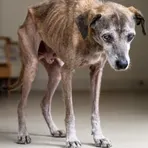
A living thing that is very weak and thin from old age or long illness
 1
7.0
1
7.0
Very weak and lacking energy because of illness or injury

Weak in the body and having little strength
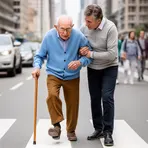
Being weak, unsteady, or slow in thinking because of old age
Antonyms

How Frail

Surface Forms
Morphology
rickety = rickets (semi-transparent) = ricket + y
Formed by suffixation of '-y' to ricket/rickets; the link to physical frailty is historically motivated by the disease 'rickets' and is not immediately obvious to learners unfamiliar with that term.
Etymology
Rickety comes from the word rickets, a bone disease that makes legs weak and bowed, especially in children. So when we call a person rickety we picture them as 'physically weak or frail', like someone affected by that disease.