
residua
- noun
- /rɪˈzɪdʒuə/
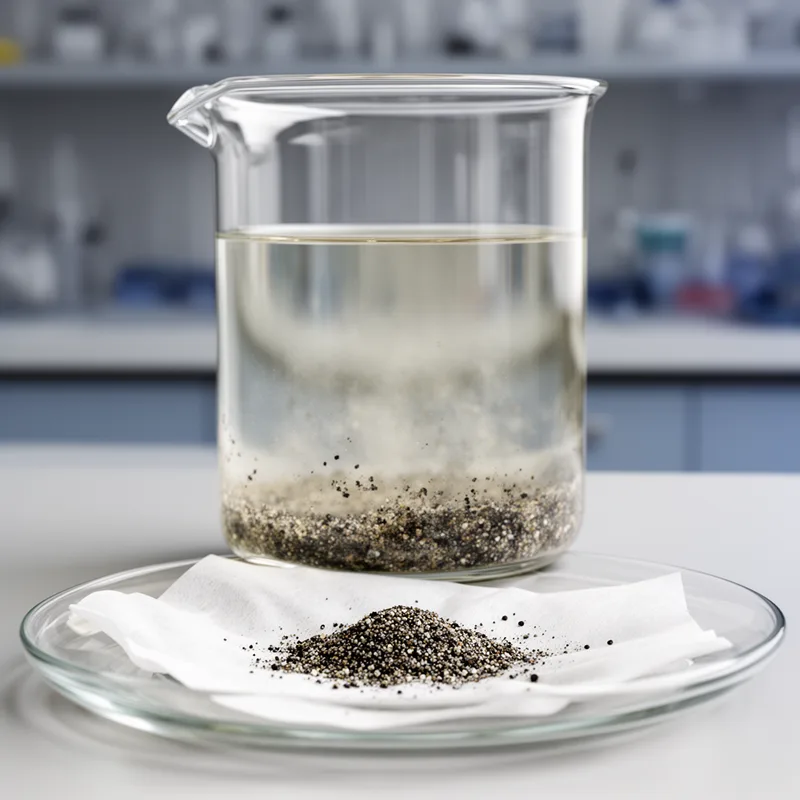
- The researcher examined the chemical residua left behind after the experiment.
Examples
-
The environmental report discussed the residua that remained in the water after the filtration process.
-
However, survivors who completed and returned a survey were significantly less likely to have experienced a relapse (11 percent compared with 19 percent) and to have cognitive residua as a result of their cancer treatment (7 percent compared with 18 percent).
Academic text (2001) -
After the meal, there were only some crumbs and other residua left on the plate.
Synonyms

 104
4.2
104
4.2

A small piece, often cloth, left when the rest is used or thrown away
 86
3.6
86
3.6
Things left after the rest is used, eaten, or taken away
 74
2.7
74
2.7
The part left after the other parts are used or removed
 1
6.0
1
6.0
A part left after the main part is used


 1
9.9
1
9.9
A part that remains after the main parts are removed or used
Surface Forms
Morphology
Etymology
Residua is the plural of residuum and comes from old Latin re- 'back' and sidere 'to sit', so it means 'left behind'. That's why residua are the remaining parts or substances you find after a process or event.