
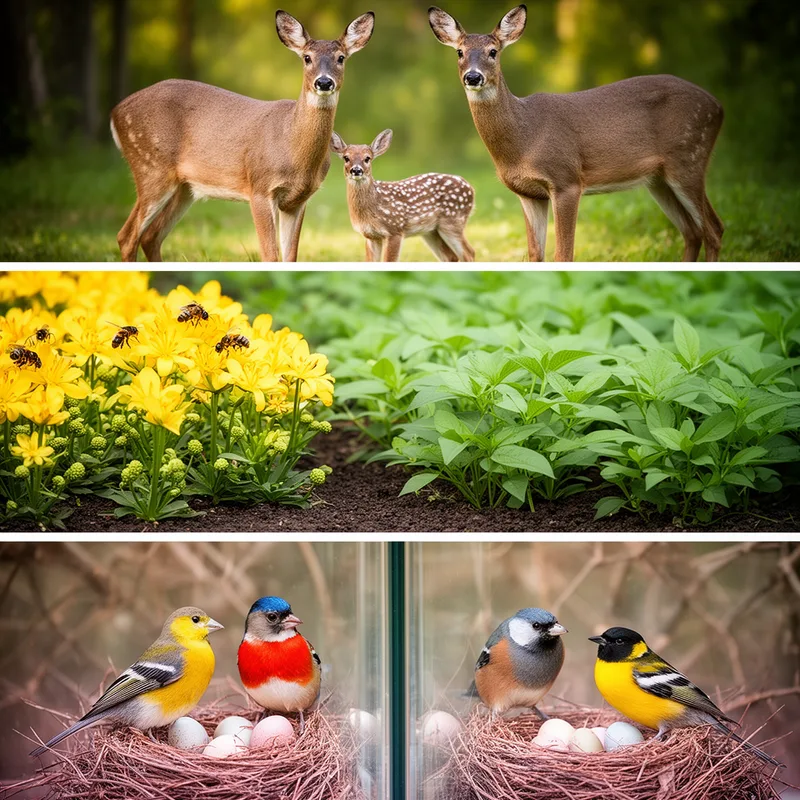
reproductively
 2
4.9

- adverb
- /ˌriːprəˈdʌktɪvli/
- Moreover, bigger females—which may make the most reproductively fit mates—tended to have brighter badges than smaller females.
- reproductively isolated
- reproductively mature
- reproductively sterile
Loading YouTube…
Watch on YouTubeBut whatever the case is, this might not be a viable long term relationship reproductively.
- But whatever the case is, this might not be a viable long term relationship reproductively.
- He's also reproductively happy with Cora, that is.
- And so some strategies that we enact today reproductively are more beneficial for a different environment, for the ancestral environment.
Examples
-
Male hyenas become reproductively mature several months before females, and post-pubertal animals of each sex confront different reproductive demands.
Academic text (1998) -
Growth in most species slows considerably once they become reproductively mature, but some individuals may live 10 to 13 years.
Academic text (2009) -
Female dolphins in this area are reproductively active for a long time.
Academic text (1992) -
The two forms should be considered separately if they are reproductively isolated.
Academic text (1991) -
Therefore, it is important to identify reproductively isolated units that also contribute substantially to the ecological and genetic diversity of the species as a whole.
Academic text (1991) -
By investing more in offspring with traits that are more reproductively desirable, females can enhance the passing on of their genes.
Academic text (2001) -
For instance, some reproductively mature salamanders that live in wet habitats resemble juvenile stages of close relatives.
Academic text (1996) -
Under the biological species concept, a "species" is a group of natural populations that have the potential to interbreed and are reproductively isolated from other groups of populations (Mayr 1942).
Academic text (2017) -
Female dolphins in this area are reproductively active for a long time.
-
Male hyenas become reproductively mature several months before females.
Surface Forms
Morphology
reproductively = reproductive (semi-transparent) = re + produce + ive + ly
This is a regular adverb formed from the adjective 'reproductive' with the standard suffix '-ly'.
Etymology
The word reproductively comes from the parts re- 'again' and produce 'to make'. So, in biology it means 'to make new life', which is why we say animals or plants are reproductively ready when they can have young.